
Searsia burchellii
Searsia burchellii
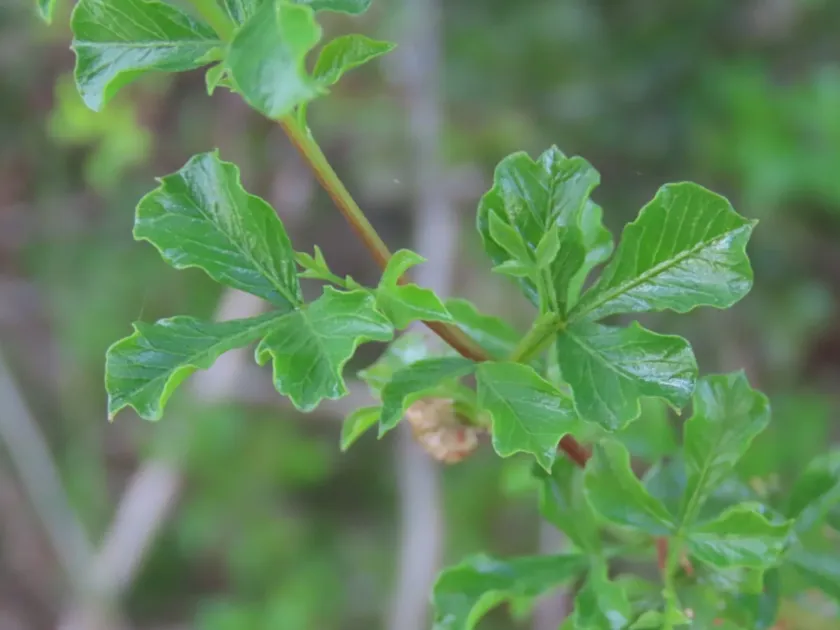
Description
Growing requirements
Searsia burchellii is a woody perennial shrub belonging to the Anacardiaceae family. This species is widely recognized for its high level of hardiness and adaptability to arid environmental conditions.
The plant originates from Southern Africa, thriving in rocky hillsides and semi-arid regions. It has evolved to survive under intense heat and irregular rainfall patterns common in its native habitat.
The species requires full sun exposure to maintain its characteristic growth habit and foliage density. Shade-heavy environments generally lead to stunted development and reduced overall vigor of the plant.
Regarding soil conditions, it demands excellent drainage. While it can survive in nutrient-poor soils, it is highly sensitive to waterlogged environments, which frequently trigger root-related physiological stresses.
Agrotechnical practices involve minimal intervention. Pruning is primarily conducted to maintain shape or clear dead wood, as the plant possesses a natural resilience against common environmental stressors.
Main diseases and pests
Searsia burchellii is generally robust against significant pests, but it may occasionally be affected by scale insects if stressed by improper watering or poor ventilation.
Fungal pathogens typically only appear in instances where the drainage is compromised and stagnant moisture persists around the collar of the plant for extended periods.
Occasional infestations of leaf-eating larvae can occur, but these are usually naturally managed by the local bird population inhabiting the shrub.
Root rot is considered the most common threat when the plant is grown in heavy, clay-based soils that do not allow for rapid water infiltration after heavy rain events.
Regular monitoring for signs of wilt or leaf yellowing is recommended, as these symptoms usually indicate an issue with soil moisture levels rather than a direct disease outbreak.
Harvesting
The primary use of Searsia burchellii is within xeriscaping and sustainable garden designs. Its drought tolerance makes it an excellent candidate for water-wise landscaping projects in warm climates.
The shrub serves as an important habitat for local fauna, providing shelter for birds and small mammals. Its ecological value is highly regarded by conservationists working on land rehabilitation.
Seed harvesting is performed once the fruits are fully ripened. Careful drying of the seeds is required before long-term storage or sowing to ensure a high germination percentage during the next season.
The plant is valued for its evergreen appearance, which provides structural interest throughout the year. It can be shaped into formal hedges or left to grow in a more naturalistic, bushy form.
While not a traditional industrial crop, its inclusion in urban greening initiatives helps to reduce total water consumption and provides a habitat for essential pollinating insects.