
Searsia incisa
Searsia incisa
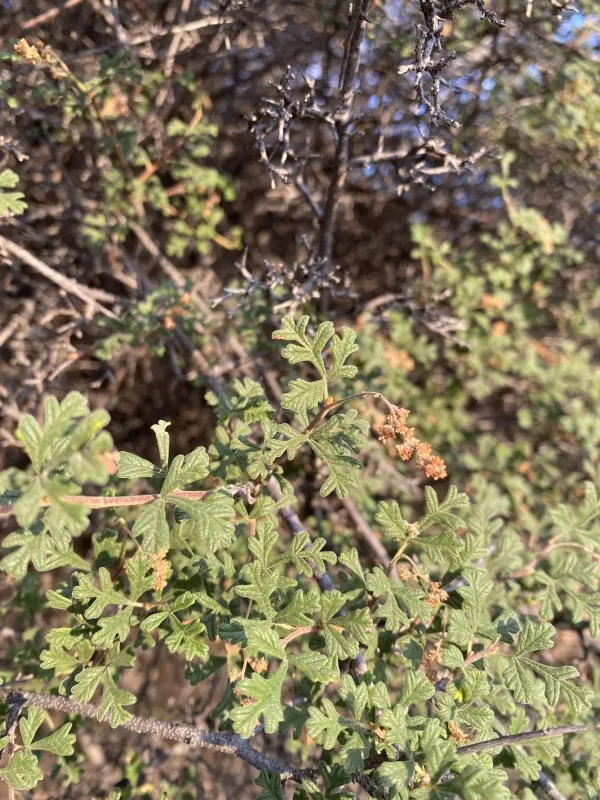
Description
Sowing dates
Propagating Searsia incisa is most effectively achieved through seeds or semi-hardwood cuttings during the spring. Seeds require proper preparation, often including stratification, to improve germination rates in professional nursery settings.
Sowing should be performed in a well-draining substrate at a depth of 1-2 centimeters. Maintaining soil temperatures between 15 and 20 degrees Celsius is essential for successful seedling development in the early stages.
Cuttings should be taken from healthy, semi-hardwood stems during late spring. Applying root-stimulating hormones and placing them in a light, sandy potting mix significantly increases the likelihood of successful root development.
When grown in nurseries, it is vital to maintain a spacing of at least 1.5 to 2 meters between plants. Proper spacing ensures adequate air circulation and light penetration, which are critical for the plant's overall health and structure.
Transplanting into the permanent garden site should occur after the risk of frost has passed. Younger plants require regular irrigation during the initial establishment phase to help them adapt to their new environment successfully.
Growing requirements
Searsia incisa, a member of the Anacardiaceae family, is native to Southern Africa. This species thrives in sunny locations, requiring significant exposure to direct sunlight for optimal growth and foliage density.
The plant is highly adaptable to various soil types, including sandy and rocky substrates. However, the presence of excellent drainage is a non-negotiable requirement to prevent root rot and ensure the longevity of the shrub.
As a drought-tolerant species, it is well-adapted to arid conditions. While established plants require very little supplemental watering, moderate irrigation during the active growing season will promote more robust development.
Climate considerations are crucial, as Searsia incisa is not frost-hardy. In regions with freezing temperatures, it is recommended to cultivate the plant in containers so it can be moved to a protected location during winter months.
Soil aeration is essential for a healthy root system. Occasional shallow cultivation or mulching around the base helps maintain soil structure and prevents the compaction that often hinders root growth in heavier soils.
Yield
The yield of Searsia incisa is typically measured by its vegetative biomass or its aesthetic value in landscape design rather than traditional agricultural production. It is a slow-growing shrub that requires patience for maturity.
Small, edible drupes are produced by the plant, serving as an important food source for local bird populations. A healthy, well-nourished shrub can produce a consistent crop of fruit annually under favorable conditions.
In ornamental landscaping, the productivity of the plant is defined by the density and color of its foliage. Regular pruning and shaping ensure the plant reaches its desired form while maintaining structural integrity.
Commercially, the plant is often propagated for sales in nurseries or used in environmental restoration projects. Because it is a slow grower, production cycles are generally longer compared to fast-growing pioneer species.
Economic returns are generated through the sale of nursery-grown specimens and their application in sustainable water-wise gardening. Its ability to provide shade and habitat adds value to diverse ecological landscapes.
Main diseases and pests
The primary threats to Searsia incisa include fungal infections resulting from overwatering or poorly drained soil. Root rot remains the most serious health risk and usually necessitates immediate corrective action regarding irrigation.
Common pests like aphids and spider mites may target new foliage, especially if the plants are kept in enclosed or poorly ventilated areas. Regular monitoring helps detect these outbreaks before they cause significant damage.
Powdery mildew can occur if humidity levels are excessively high or air circulation is inhibited. Proper spacing during the planting phase is the most effective preventative measure against this common fungal pathogen.
Root-knot nematodes can occasionally pose a problem in sandy soil environments. Using sterilized growing media and practicing sound sanitation in nursery zones can minimize the risk of spreading these soil-borne pests.
Overall management should focus on sanitary pruning to remove dead or diseased branches and maintaining a balanced water schedule. A healthy plant with proper sunlight exposure naturally develops stronger immunity against minor pests.