
Searsia pentaphylla
Searsia pentaphylla
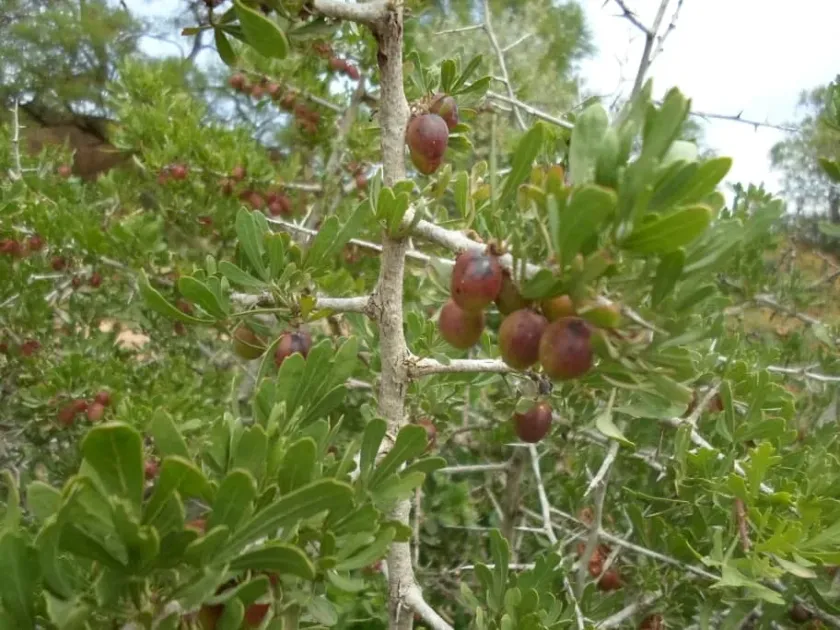
Description
Growing requirements
Searsia pentaphylla is a perennial shrub belonging to the Anacardiaceae family, primarily native to North Africa and the Mediterranean basin, where it thrives in arid environments.
This species is highly valued for its exceptional drought tolerance and ability to establish itself in nutrient-poor, stony soils, making it an ideal candidate for soil stabilization.
Optimal growth conditions require full sun exposure and well-drained soil, as the plant is susceptible to root rot if exposed to prolonged moisture retention or poor drainage.
Botanically, the plant is characterized by its distinct trifoliate or pentafoliate compound leaves and its ability to maintain a compact, resilient habit even in severe summer heat.
From an agricultural standpoint, it serves as a valuable resource for ecological restoration projects and is being studied for its potential in producing secondary metabolites.
Main diseases and pests
The primary threats to Searsia pentaphylla include fungal pathogens that target the root system, usually triggered by improper irrigation management and overly compacted soil.
Pests such as scale insects and spider mites represent significant management challenges, particularly during hot and dry spells where the plant's natural defenses might be stressed.
Excessive humidity in the air can lead to foliage-based fungal infections, necessitating proper site selection to ensure consistent airflow around the canopy.
Effective management strategies rely on integrated pest management (IPM) practices, emphasizing cultural control methods like proper pruning and site sanitation.
Farmers should monitor for signs of chlorosis or leaf drop, which often act as early indicators of nutritional imbalance or the onset of systemic soil-borne diseases.