
Natal currant
Searsia natalensis
Description
Growing requirements
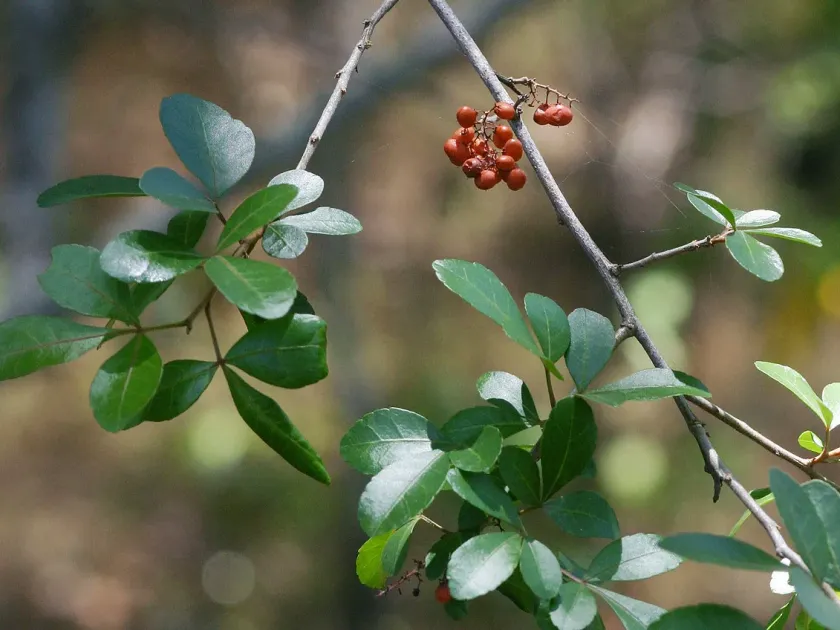
The Natal currant (Searsia natalensis) is an evergreen woody plant belonging to the Anacardiaceae family. Historically linked to the Rhus genus, this species is native to the coastal regions of Southern Africa, where it thrives in diverse environments, from dune thickets to forest margins.
This crop requires full sun to partial shade for optimal health. It is highly valued for its salt tolerance, making it an ideal choice for coastal gardening where other plants might fail due to salt spray or strong maritime winds. It is generally not frost-hardy, preferring temperate or subtropical conditions.
Soil requirements are relatively undemanding, provided there is excellent drainage. The plant performs best in sandy or loamy soils with a balanced profile. Heavy, waterlogged soils should be avoided as they inhibit root development and make the plant susceptible to fungal pathogens and root rot.
Agrotechnical management involves establishing a consistent watering routine during the plant's juvenile phase. Once established, Searsia natalensis exhibits significant drought tolerance. Periodic pruning is recommended to maintain a neat habit, especially when the plant is used for formal screening or hedging purposes.
In terms of agricultural and horticultural use, the Natal currant is primarily grown for its landscape value. Its dense, glossy foliage and ability to withstand environmental stress make it a preferred species for creating privacy screens, windbreaks, and natural habitats for local bird populations in gardens.
Main diseases and pests
While the Natal currant is generally robust, it may face pressure from common garden pests such as aphids or scale insects. These pests often congregate on young shoots during periods of high humidity. Regular inspections are advised to manage infestations before they impact overall vigor.
Fungal issues, such as leaf spot, can occur if ventilation is poor and moisture levels are excessively high. Maintaining correct spacing between plants and ensuring proper airflow within the canopy are effective cultural methods to minimize these risks without relying on extensive chemical interventions.