
Schinus
Schinus
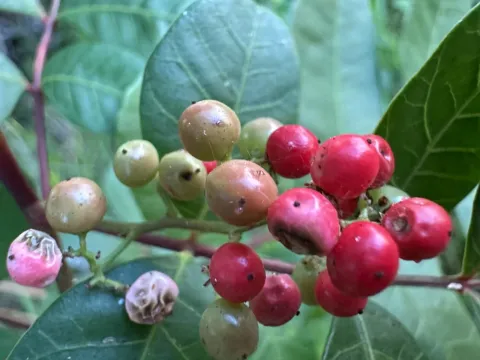
Schinus is a genus of evergreen trees and shrubs belonging to the Anacardiaceae family. Native to South America, these plants are widely distributed across subtropical and tropical regions globally, where they are cultivated for both ornamental purposes and the production of spicy berries.
What the section contains


Schinus
The crop thrives in sunny, well-ventilated locations with ample light exposure. It is highly adaptable to a wide range of climates but performs best in regions with mild winters and hot, dry summers. Protecting the plants from frost is essential, as temperatures below zero can damage the foliage and younger branches.
Soil requirements for Schinus are relatively modest; the plant prefers well-drained, sandy, or loamy soils. It has a high tolerance for drought once the root system is well-established, making it a sustainable choice for regions with limited irrigation resources, provided that waterlogging is strictly avoided.
Agronomic management involves periodic light pruning to maintain the shape of the canopy and improve airflow. This practice is crucial not only for aesthetics but also for increasing the efficiency of harvesting the berries, which serve as the primary commercial product of the plant.
Economically, Schinus is highly valued for its dried drupes, known internationally as pink pepper. Beyond its culinary applications, the plant provides essential oils and resins used in the fragrance and cosmetic industries, highlighting the diverse potential of the crop for modern agricultural ventures.
Disease outbreaks in Schinus plantations are often linked to poor drainage or overly humid environmental conditions. Fungal infections, particularly root rot, are the most significant threats to plant health. Ensuring proper spacing during planting helps prevent the spread of soil-borne pathogens.
Pest pressure is usually moderate, with common threats including scale insects, aphids, and spider mites. Integrated Pest Management (IPM) strategies, which prioritize monitoring and the use of natural predators, are recommended to maintain high yield quality while minimizing the reliance on synthetic chemicals.