
Anacyclus officinarum
Anacyclus officinarum
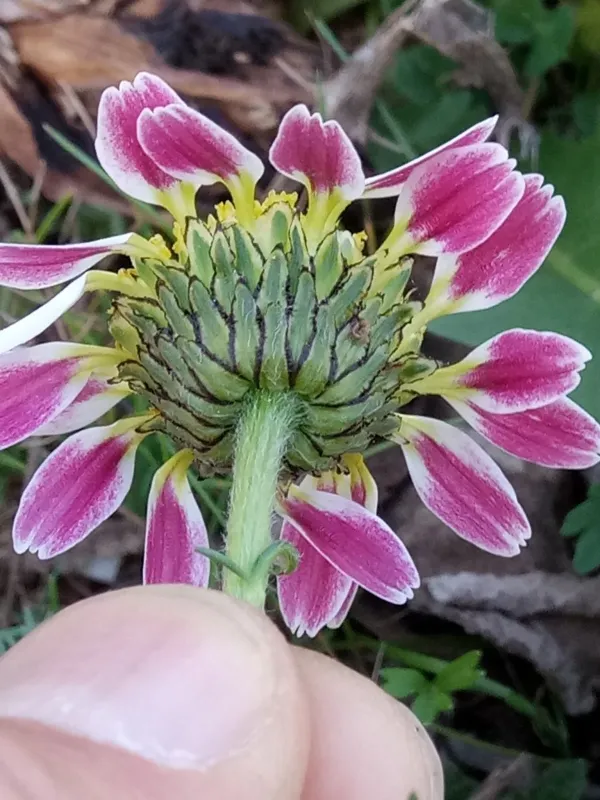
Description
Sowing dates
Anacyclus officinarum is a medicinal herb belonging to the Asteraceae family. It is valued for its root, which contains bioactive compounds that provide it with a distinct pungent flavor.
Seeds should be sown in early spring once the soil temperature is stable at 10-12 degrees Celsius. Optimal germination requires fine, well-prepared soil with a moist top layer.
Direct seeding in the field is common, with seeds placed at a shallow depth of approximately 0.5 to 1 cm. Spacing between rows should be about 30–45 cm to allow for sufficient plant growth.
If started in a nursery, seeds are sown in seedling trays in late winter. This ensures a head start, though the seedlings must be hardened off before being transplanted to the open field.
Consistent moisture is vital during the germination phase. Once established, the plants require less intensive watering, as they adapt well to drier conditions compared to more succulent herbs.
Growing requirements
This crop thrives in sunny locations with full exposure to daylight. Lack of sunlight results in diminished development of the root system, where the medicinal components are stored.
Soil requirements include well-drained, sandy-loam structures. It is essential to avoid heavy, clayey soils that hold excess water, as the crop is prone to root rot in saturated environments.
Anacyclus prefers a neutral to slightly alkaline pH. If the soil is too acidic, liming should be performed well in advance of the planting season to create ideal conditions for growth.
Temperature management is crucial; the plant prefers temperate conditions. While it is hardy, the most active growth phase occurs when the daily average temperature is between 20-25 degrees.
Regular weeding is essential for the health of the crop. Because it is grown primarily for its roots, any competition from weeds for soil nutrients will significantly reduce the final yield.
Main diseases and pests
Root rot is the most common threat, usually caused by over-irrigation or improper drainage. Ensuring a light, well-aerated soil profile is the most effective preventative measure.
Pests like aphids and spider mites can damage the leaves, reducing the plant's photosynthetic capacity. Integrated pest management, including biological controls, is highly recommended.
Fungal diseases, such as powdery mildew, may affect the plant during humid spells. Increasing air circulation by proper thinning and spacing helps keep the foliage dry and healthy.
Nematodes can affect the root development, particularly in fields where crops from the same family have been grown previously. Long-term crop rotation is essential for disease prevention.
Monitoring the fields regularly is necessary to identify early signs of infestation. Early intervention prevents the need for chemical treatments that could jeopardize the medicinal quality.
Harvesting
The harvest target is the root system. It is generally harvested in the autumn of the second year when the active compounds have reached their peak concentration in the tubers.
After excavation, the roots must be thoroughly cleaned of soil and debris. Mechanical harvesting is often used on large farms to prevent breaking the delicate roots during the removal process.
Drying is a critical step in preserving the quality. The roots are sliced and dried at temperatures not exceeding 45 degrees Celsius to retain the essential oils and volatile substances.
Storage should occur in a cool, dark, and dry environment. Improper storage leads to a rapid decline in the pungency and potency of the roots, rendering the harvest less valuable.
Quality control at the post-harvest stage involves checking for uniform dryness and checking for the absence of mold or discoloration. High-quality roots should be firm and aromatic.