
Sorindeia
Sorindeia
Sorindeia is a genus of evergreen trees and shrubs belonging to the Anacardiaceae family. Native to tropical Africa and Madagascar, these plants are well-adapted to humid forest environments and flood-prone landscapes within the equatorial belt.
What the section contains

Sorindeia
The plant demands a strictly tropical climate characterized by year-round high temperatures and significant humidity. It lacks cold tolerance, making it unsuitable for cultivation in temperate or subtropical zones without significant environmental control.
Regarding soil, Sorindeia thrives in deep, fertile, and well-draining loamy soils. It requires a stable moisture level; therefore, irrigation management is critical, especially during the establishment phase of young saplings to ensure robust root development.
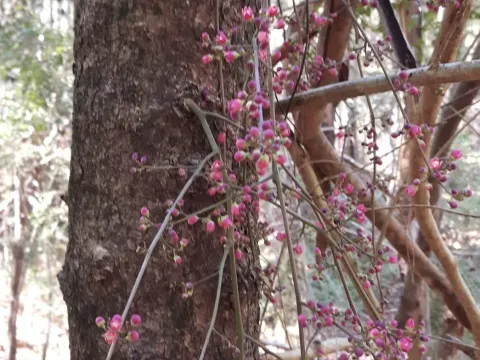
The plant is botanically recognized for its dense canopy and compound pinnate leaves. Some species exhibit the phenomenon of cauliflory, where flower clusters emerge directly from the trunk or older branches, contributing to a unique and productive growth pattern.
Economically, the genus is valued for its edible fruits consumed in local diets and its potential in agroforestry. The wood of several species is also utilized for construction and artisanal purposes, reflecting the plant's multi-functional role in tropical agriculture.
Fungal pathogens represent the most significant threat to Sorindeia, particularly in regions with excessive rainfall or poor air circulation. These infections can result in leaf spot diseases or branch dieback if not managed through proper canopy thinning.
Insect pests, including various species of borers and defoliators, can jeopardize tree health and yield quality. Integrated pest management strategies, emphasizing biological controls, are recommended to protect trees without harming the local ecosystem.
Environmental degradation, such as deforestation and habitat loss, remains a primary concern for the survival of wild Sorindeia populations. Cultivated stands are essential for preserving the species and reducing pressure on natural resources.
Root rot is a major physiological challenge caused by waterlogging. Ensuring that the planting site has sufficient elevation and effective soil drainage is the most effective preventative measure against this fatal condition.
Due to the lack of extensive genetic improvement, current crops remain susceptible to endemic pathogens. Maintaining high hygiene standards in orchards, such as removing fallen fruit and pruning diseased branches, is vital for long-term health.