
Ampilolophium
Ampilolophium
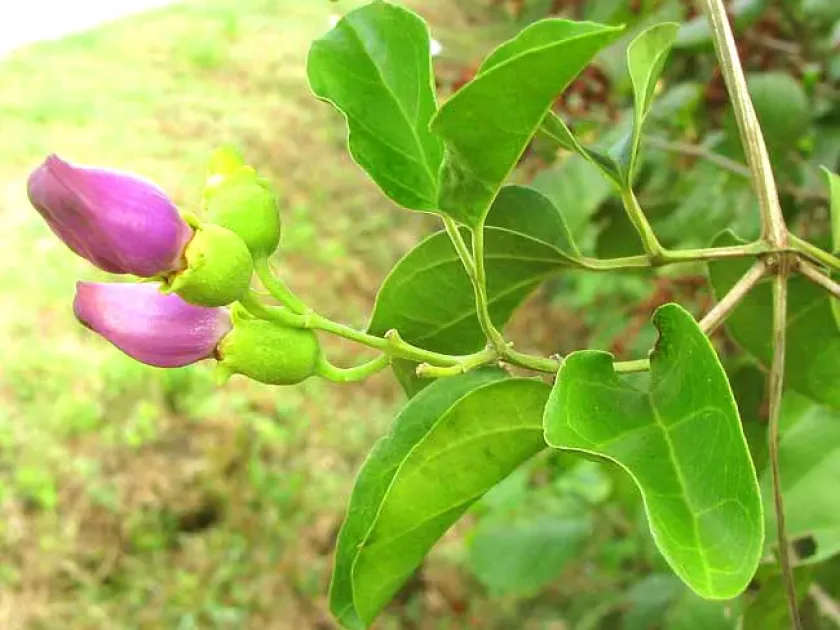
Description
Growing requirements
Ampilolophium (Ampelolophium) is a genus of woody vines belonging to the Bignoniaceae family. In their natural environment, these plants are powerful climbing shrubs that use tendrils to ascend tree trunks in tropical forests.
The native range of this plant includes regions of Central and South America, where it occurs in humid forest ecosystems. Its distribution area spans from lowland tropics to foothill regions characterized by high air humidity.
The plant possesses specific botanical features: opposite, often compound leaves and the characteristic tubular flowers of the family, which are arranged in raceme-like inflorescences. The stems of the vine tend to lignify with age, providing structural strength to the entire plant structure.
Normal development of the crop requires consistently high temperatures and protection from cold winds. The plant prefers loose, humus-rich soils with good drainage, as water stagnation at the roots can lead to the development of rot processes.
Economic use of the species is primarily limited to ornamental gardening in tropical climatic zones, where it is valued for its dense foliage and abundant flowering. In rare cases, certain species may be used in local phytotherapy, although their industrial agronomic cultivation is limited in scope.
Main diseases and pests
The main threats to Ampilolophium are related to fungal diseases under conditions of excessive humidity and poor canopy ventilation. Powdery mildew is the most common issue, appearing as a whitish coating on the leaf blades.
Pests typical of this crop include sucking insects such as spider mites and scale insects. They feed on the plant's cell sap, leading to leaf deformation and the gradual weakening of the plant.
Disease prevention consists of adhering to agronomic standards: proper pruning to ensure ventilation and regular inspection of the root collar. The use of systemic fungicides is recommended only in cases of severe infestation.
During cultivation, it is important to monitor soil acidity levels, as an imbalance in pH negatively affects the plant's immunity. Nutrient deficiencies during the active growth period make the crop more vulnerable to any biological threats.
Timely weed control in the root zone is also an important aspect, as weeds create a microclimate that facilitates the reproduction of pests and the development of pathogenic spores in the lower layer of the vine.