
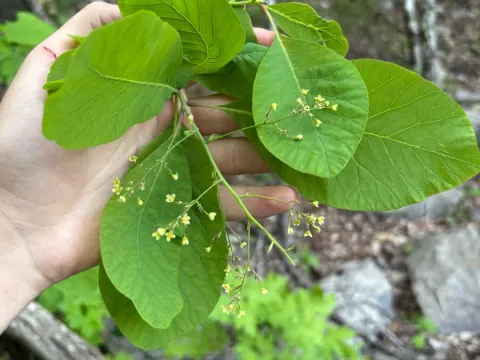
Smoke tree
Cotinus Mill. (Rhus L. in part)
The smoke tree (Cotinus Mill.) is a perennial deciduous shrub or small tree belonging to the Anacardiaceae family. It is native to temperate regions of Southern Europe, Asia, and the Caucasus, typically thriving in rocky and well-drained environments.
What the section contains


Smoke tree
This crop is highly prized for its drought tolerance and preference for full sun. It performs best in poor, alkaline, or stony soils, provided they offer excellent drainage, as the species is highly susceptible to root damage in waterlogged conditions.
Agricultural practices for smoke tree include minimal but strategic fertilization and regular pruning. Pruning is essential not only for shape control but also for stimulating new growth, which often displays the most vibrant foliage colors.
The plant demonstrates significant winter hardiness once established, although young specimens benefit from mulch or light protection during their first year in the field to protect the root zone from extreme frost.
Beyond its ornamental value, the smoke tree is a recognized source of natural tannins. Historically and industrially, its leaves and twigs have been harvested for the production of tanning extracts used in high-quality leather processing.
The primary pathological threat to Cotinus is verticillium wilt, a soil-borne fungus that affects the vascular system. Symptoms often include sudden wilting and dieback of branches during the peak of summer.
Pest pressure primarily comes from leaf-feeding insects, such as beetles, and specialized pests like the smoke tree psyllid. These can distort new growth and significantly reduce the visual appeal of the foliage.
To mitigate disease risk, growers must ensure site selection provides optimal soil drainage and avoid overhead irrigation. Maintaining the plant's overall vigor through proper spacing and airflow helps reduce moisture-related issues.
Integrated pest management (IPM) strategies, including the use of targeted insecticides, should be employed at the first sign of infestation. Consistent monitoring during the spring flush is crucial for effective control.
Sanitary pruning of dead or diseased wood, followed by the sterilization of tools, is an essential practice to prevent the cross-contamination of healthy shrubs within the plantation or landscape.