
Searsia rehmanniana
Searsia rehmanniana
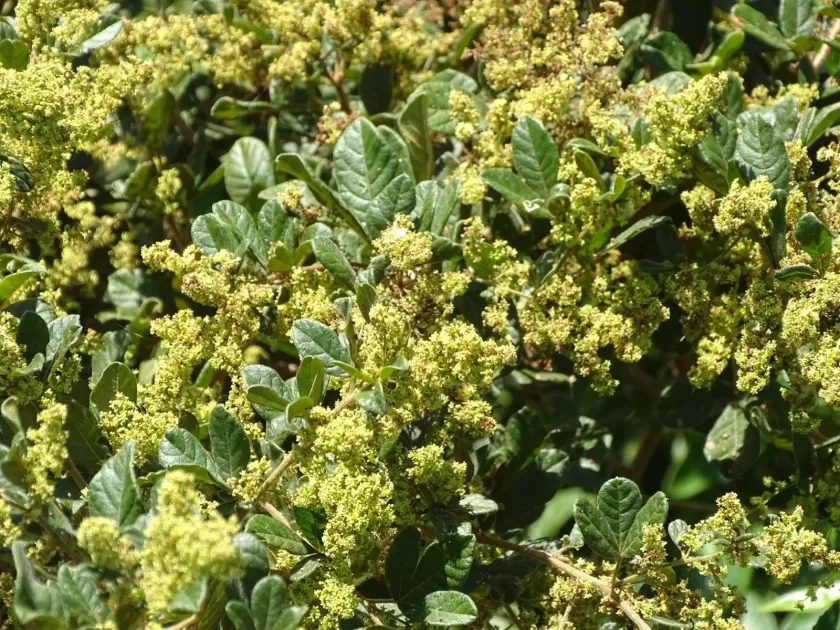
Description
Growing requirements
Searsia rehmanniana is a perennial woody shrub belonging to the Anacardiaceae family. Originally native to the southern parts of Africa, it has adapted to semi-arid landscapes and rocky terrains, exhibiting strong survival capabilities.
The plant requires well-drained soil types to thrive and prevent root-related issues. It is highly tolerant of direct sunlight, which stimulates dense foliage growth and improves the plant's overall structural integrity in outdoor settings.
Botanically, this species is defined by its small, durable leaves and a resilient branch system. These physical characteristics allow the shrub to withstand harsh winds and periods of limited water availability, reflecting its natural evolutionary background.
Agronomic management involves standard watering protocols during the establishment phase, transitioning to minimal maintenance once the root system is mature. Pruning is essential for shape control and promoting denser growth in hedging applications.
Economically, Searsia rehmanniana is prized for its ornamental value and its ability to act as an effective windbreak. It integrates well into sustainable landscaping due to its low water footprint and minimal input requirements.
Main diseases and pests
The primary threats to this shrub include fungal pathogens, typically resulting from poor soil drainage and excessive humidity around the root collar. These conditions can cause root rot, which is often fatal if not diagnosed early.
Pest issues frequently involve sap-sucking insects like aphids and spider mites, which congregate on younger, more succulent leaves. During hot and dry spells, these infestations can escalate quickly if left unmanaged.
Scale insects are another common concern, as they colonize the stems and drain the plant's vitality. Regular inspections and the application of horticultural oils or organic soap sprays are effective methods to manage these populations.
Maintaining proper spacing between individual plants is crucial to ensure airflow and reduce the humidity levels that favor fungal growth. This simple practice significantly lowers the need for chemical intervention.
By monitoring for early signs of leaf discoloration or distorted growth, growers can effectively protect the health of the Searsia rehmanniana crop throughout its productive lifespan.