
Searsia undulata
Searsia undulata
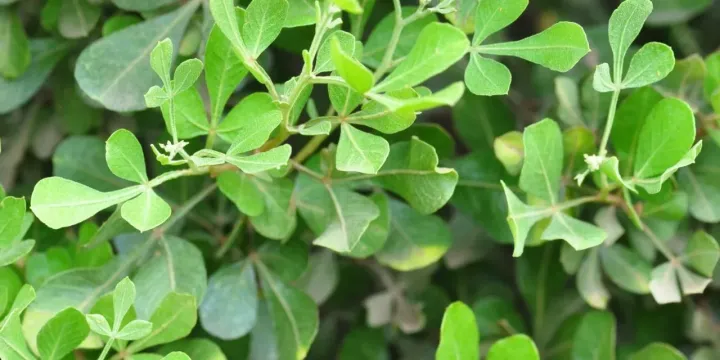
Description
Growing requirements
Searsia undulata, commonly known as the Kuni-bush, is a hardy evergreen shrub belonging to the Anacardiaceae family. Native to the arid and semi-arid regions of Southern Africa, it has evolved to thrive in environments where water is scarce and soil nutrients are limited.
The plant requires well-drained, sandy or gravelly soils to prevent root rot. It is highly sensitive to waterlogged conditions, which makes site selection for planting a critical step for successful cultivation in non-native environments.
Regarding climate, this species prefers sunny, open positions with full sun exposure. While it is incredibly heat-tolerant, it does not withstand hard freezes, which limits its outdoor cultivation to temperate or Mediterranean-like climatic zones.
As a drought-tolerant crop, Searsia undulata requires minimal supplemental irrigation once established. Deep root systems allow it to access moisture in deeper soil layers, making it a sustainable choice for xeriscaping and soil stabilization projects.
Soil preparation should involve minimal disturbance to preserve natural soil structure. Fertilizer application is generally unnecessary in open landscapes, though moderate fertilization might be beneficial for container-grown specimens to ensure vigorous growth.
Harvesting
Harvesting strategies for Searsia undulata typically focus on seed collection for propagation or the gathering of plant material for traditional uses. Seeds are harvested once the drupes ripen and turn a dark color, indicating maturity.
Pruning is an essential maintenance practice that serves both aesthetic and functional purposes. By removing dead wood and thinning out dense branches, growers can improve airflow and prevent internal moisture accumulation, which reduces the risk of pests.
When used as a hedging plant, mechanical harvesting of excess growth is performed annually. This ensures the bush maintains its desired shape and density while promoting healthy regeneration of new stems throughout the following season.
For those interested in the plant's secondary metabolites, such as tannins, collection is performed in late spring or early summer. Leaves and young bark are harvested and dried in well-ventilated areas to prevent mold growth during the drying process.
Proper record-keeping of harvest times is recommended, as maturity cycles can vary depending on local microclimate conditions, altitude, and annual rainfall patterns in the growing region.