
Searsia zeyheri
Searsia zeyheri
Description
Growing requirements
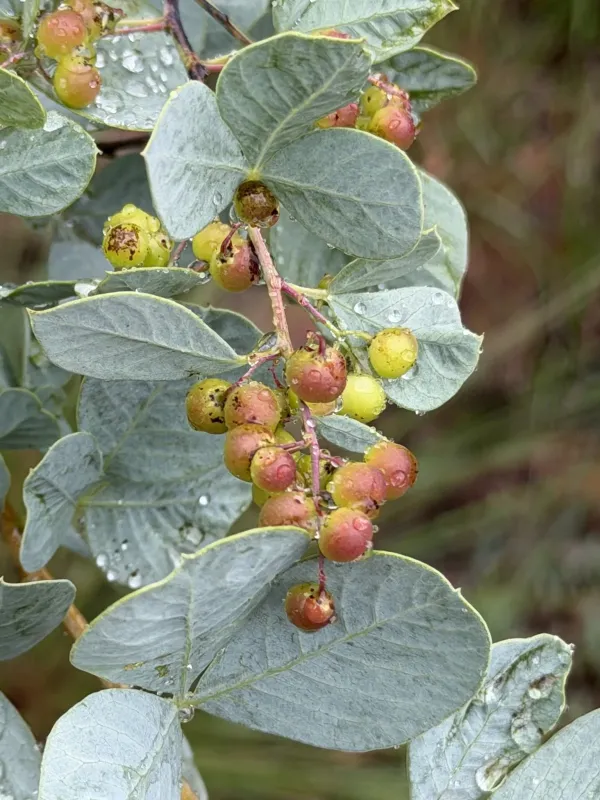
Searsia zeyheri is a perennial shrub or small tree belonging to the Anacardiaceae family. Originally classified under the Rhus genus, it is now widely recognized as a distinct species within the Searsia genus, native to the arid and semi-arid regions of Southern Africa.
The plant is highly valued for its ability to thrive in challenging soil conditions, including rocky and nutrient-poor substrates. It requires full sun exposure and excellent drainage, as it is highly sensitive to waterlogged conditions that can lead to root system decay.
Climatic requirements are focused on high temperature tolerance and long sunny days. It has evolved to survive extended periods of drought, making it an excellent candidate for xeriscaping and sustainable garden design in dry climates.
Botanically, Searsia zeyheri features dense foliage that provides significant aesthetic value throughout the year. Its ability to maintain structural integrity in windy and hot environments is a testament to its evolutionary adaptation to the savanna and bushveld biomes.
When introducing this species to new landscapes, it is crucial to ensure protection from severe frost during the early establishment phase. Once the plant is established, it becomes significantly more resilient and requires minimal intervention.
Harvesting
In terms of economic and practical utility, Searsia zeyheri is primarily used in landscaping and soil conservation projects. Its robust root system is highly effective at stabilizing slopes and preventing topsoil erosion in exposed areas.
The fruit of the tree, typically appearing as small drupes, serves as a vital food source for avian populations, contributing to local ecosystem health. Some indigenous knowledge highlights its minor use in traditional craft and as a source of pigment.
The wood of Searsia zeyheri is relatively dense and durable, allowing for limited use in carpentry. Although it is rarely used for mass-market timber, it is suitable for localized applications like tool handles or small ornamental woodwork.
Seed harvesting should be performed after the fruits have fully ripened, usually in the late season. Collecting high-quality seed is essential for nursery propagation, ensuring that future generations maintain the genetic vigor of the species.
Maintenance practices for this shrub involve periodic pruning to improve airflow and crown density. By removing dead or crossing branches, gardeners can promote healthier growth and ensure the plant retains an attractive, managed appearance.