
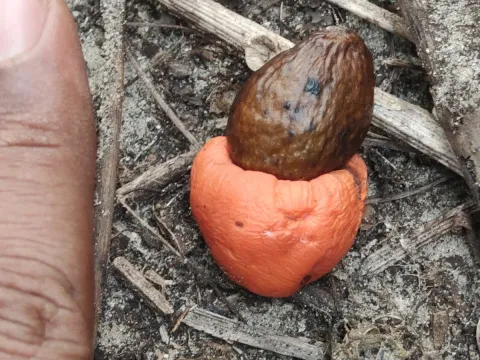
Semecarpus
Semecarpus
Propagation of Semecarpus is typically carried out using seeds, which require specific preparation to overcome dormancy and ensure uniform germination rates.
What the section contains
 Semecarpus acuminatus
Semecarpus acuminatus
Semecarpus acuminatus
 Semecarpus anacardium
Semecarpus anacardium
Semecarpus anacardium
 Semecarpus australiensis
Semecarpus australiensis
Semecarpus australiensis
 Semecarpus cassuvium
Semecarpus cassuvium
Semecarpus cassuvium
 Semecarpus coriaceus
Semecarpus coriaceus
Semecarpus coriaceus
 Semecarpus gardneri
Semecarpus gardneri
Semecarpus gardneri
 Semecarpus longifolia
Semecarpus longifolia
Semecarpus longifolia
 Semecarpus marginatus
Semecarpus marginatus
Semecarpus marginatus
 Semecarpus moonii
Semecarpus nigroviridis
Semecarpus nigroviridis
Semecarpus moonii
Semecarpus moonii
Semecarpus nigroviridis
Semecarpus nigroviridis
Semecarpus
It is recommended to soak the seeds in warm water for several hours before planting to soften the tough outer shell and initiate the physiological processes.
The optimal sowing time aligns with the arrival of the monsoon season or the period of increased rainfall, which provides the necessary moisture for early root development.
Seedlings are best started in controlled nursery conditions using a well-draining, nutrient-rich potting medium to prevent early rot.
Maintaining a consistent temperature between 25 and 30 degrees Celsius is critical for the successful establishment of young plants during the germination phase.
Semecarpus belongs to the Anacardiaceae family and thrives in tropical regions that experience high temperatures and abundant moisture throughout the year.
The tree prefers deep, fertile, and well-drained loamy soils, as it is highly susceptible to root damage caused by waterlogging and poor soil aeration.
While the tree enjoys full sun, young saplings may require partial shade during the hottest parts of the day to prevent leaf scorch and dehydration.
Protection from high winds is essential for maintaining the structural integrity of the trees, especially in areas prone to seasonal storms.
The plant demonstrates a preference for soils with a slightly acidic to neutral pH level, which facilitates the optimal uptake of micronutrients.
The economic value of Semecarpus lies in its seeds and fruit, which are consumed after undergoing specific processing to neutralize irritating compounds.
Yield capacity is largely determined by the maturity of the tree, with older specimens producing significantly more fruit under proper nutritional management.
Careful post-harvest handling is required to manage the caustic sap found in the fruit pericarp, which can pose health risks if not managed correctly.
Properly processed seeds are rich in fatty acids and are utilized in various regional food industries, adding value to the agricultural output of the region.
Consistent yield depends on regular fertilization programs, emphasizing the application of balanced organic matter to sustain long-term soil productivity.
Fungal infections remain the primary threat to Semecarpus orchards, particularly in humid climates where poor ventilation can encourage pathogen development.
Insect pests, including various larvae and wood-boring beetles, can weaken the tree, making it vulnerable to secondary infections and structural failure.
Root rot caused by Phytophthora species is a major risk factor if irrigation management is not strictly monitored and drainage is compromised.
Effective pest management involves integrated biological strategies, such as maintaining beneficial insect populations to control common agricultural pests.
Regular sanitation, including the removal of dead or dying limbs, is essential for maintaining the overall health and vigor of the grove.