
Anchonium
Anchonium
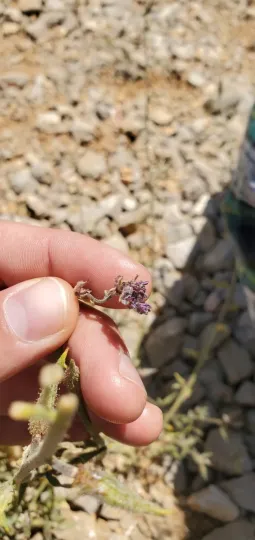
Description
Sowing dates
Anchonium belongs to a group of rare perennial plants that prefer sowing in the spring when soil temperatures reach 10-12 degrees Celsius. To achieve uniform germination, seeds should be planted at a depth of no more than 1-2 centimeters, ensuring optimal oxygen access to the seed embryo.
In commercial cultivation, both row seeding and nested methods are used, especially when establishing rock gardens or research nurseries. It is crucial to maintain spatial isolation, as the plant is cross-pollinated and prone to spontaneous hybridization with related species.
Autumn sowing is permissible only in regions with mild climates, where seeds undergo natural stratification in the soil. In harsher conditions, seeds require artificial cooling to increase germination rates, which stimulates growth after the dormancy period.
Preparing the planting site involves essential loosening and the removal of rhizomatous weeds, which can suppress young seedlings during the initial development stages. The use of starter fertilizers with minimal nitrogen content helps strengthen the Anchonium root system without risking excessive vegetative growth.
Planting density is calculated based on the habit of the specific species, ensuring each plant has sufficient nutrition and ventilation. Overcrowding of crops leads to the development of fungal infections, which is extremely dangerous for this specific member of the Brassicaceae family.
Growing requirements
Anchonium has strict requirements for soil drainage, preferring rocky, gravelly, or sandy soils with a pronounced alkaline reaction. The plant handles stagnant moisture in the root zone very poorly, which can lead to immediate rotting of vegetative organs.
The culture is light-loving, requiring placement in open, well-sunlit areas. In shaded conditions, Anchonium loses its ornamental value, becomes leggy, and significantly reduces its viability during the winter period.
The optimal temperature range for the culture's development is within moderate values, yet the plant demonstrates high resistance to sharp night and day temperature fluctuations. Low air humidity is required, as increased moisture triggers the development of bacterial rots.
Nutrient requirements for Anchonium are moderate; excessive use of organic fertilizers can negatively impact plant development. It is recommended to use micro-element complexes aimed at supporting metabolic processes within the plant tissues.
Adaptation to climate depends on the origin of the specific species, but in general, the crop gravitates toward semi-continental growing conditions. It survives drought periods well due to a well-developed taproot system capable of extracting moisture from deep soil layers.
Main diseases and pests
The main threat to Anchonium comes from fungal diseases such as clubroot and powdery mildew, which arise from improper agronomy and watering regimes. Prevention includes crop rotation and the application of fungicides at early stages of symptom development.
Pests typical for the Brassicaceae family, including flea beetles and various caterpillars, can cause significant damage to the plant's foliage. Regular crop monitoring allows for the detection of infestation sites and timely insecticide application.
Root rots are the most dangerous pathogens, often occurring due to waterlogged soil or heavy mechanical soil composition. Treatment is difficult, so the primary control method remains strict adherence to drainage management and the use of healthy seed material.
Slugs and snails pose a danger to young Anchonium shoots, especially during rainy springs. The use of barrier protection methods or specialized molluscicides helps minimize damage from these gastropods.
Nematodes that attack the root system can lead to stunted growth and reduced crop productivity. Managing them requires soil disinfection or the use of resistant varieties in regions with high infection pressure.
Harvesting
Harvesting Anchonium, depending on its intended use, can be carried out during peak flowering or the technical maturity phase of the seeds. When collecting seed material, it is vital to prevent pod shattering, which leads to significant field harvest losses.
Cut shoots are dried in well-ventilated rooms, shielded from direct sunlight to preserve bioactive substances. Moisture levels in the raw material during storage must not exceed set limits to prevent product degradation.
The seed threshing process requires delicate handling to prevent mechanical damage to the seeds. Modern breeding farms utilize specialized equipment that minimizes losses and ensures high purity of the collected material.
Quality assessment of the harvest is performed based on morphological seed characteristics, mass, and germination percentage. Cleaned material undergoes mandatory calibration and packaging for further storage under controlled climate conditions.
Post-harvest processing includes cleaning from plant residues and separating seeds from chaff using air separation. Proper storage guarantees the preservation of Anchonium's seeding qualities for several seasons without significant loss of germination energy.