
Searsia tripartita
Searsia tripartita
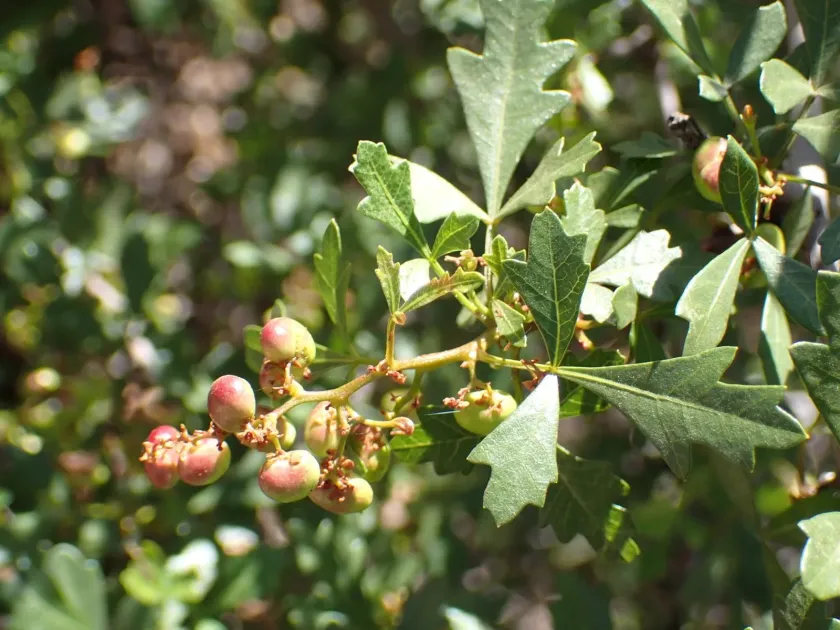
Description
Growing requirements
Searsia tripartita, a member of the Anacardiaceae family, is a drought-tolerant shrub native to Northern Africa and parts of the Middle East, specifically adapted to arid environments.
This species is highly valued for its resilience in harsh climatic conditions, thriving in regions with low annual rainfall and high intensity of solar radiation throughout the year.
Successful cultivation requires soil with excellent drainage properties; the plant is strictly intolerant of waterlogging, which often leads to root collar rot and rapid plant decline.
Ideally suited for rocky or sandy substrates, it prefers neutral to slightly alkaline soil reactions, mirroring the geological conditions of its natural habitats.
Exposure to full sunlight is essential for the plant to maintain its structural integrity and produce the chemical compounds that contribute to its commercial value.
Yield
The primary economic output of Searsia tripartita involves the harvesting of its bark and fruits, which are notably rich in high-quality tannins used in leather tanning processes.
Pharmaceutical and ethnobotanical applications rely on the antimicrobial properties of the plant's extracts, which are derived from both the leaves and the fruits.
The fruits are occasionally utilized in food production as a culinary ingredient, serving as a spice that imparts a distinctively tart flavor profile to various dishes.
Yield management focuses on periodic pruning, which not only facilitates easier harvesting but also stimulates the development of healthy secondary growth.
Future agricultural prospects involve the extraction of natural dyes from the plant's tissues, providing a sustainable alternative to synthetic pigments in the textile industry.
Main diseases and pests
The most significant threats to Searsia tripartita crops are fungal infections typically induced by poor site selection and improper irrigation management leading to soil saturation.
Common pests include aphids and scale insects that feed on succulent young foliage, potentially stunting growth and creating entry points for secondary viral infections.
Integrated Pest Management (IPM) strategies, involving the use of predators and targeted biological agents, are recommended to control pest populations without harming the ecosystem.
Good ventilation and adequate spacing between individual plants are crucial to prevent the spread of foliar diseases, especially in areas with periodic atmospheric humidity spikes.
Regular sanitation of the plantation, including the removal of dead or decaying organic matter, is necessary to minimize the risk of pathogen outbreaks and keep the shrubbery healthy.