
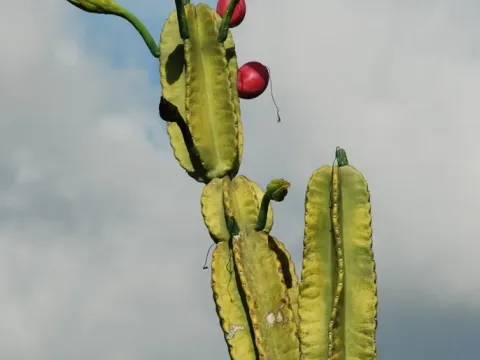
Cereus
Cereus
Cereus is a genus of large, column-shaped or shrubby cacti belonging to the Cactaceae family. Native to the arid regions of South America and the Caribbean, these plants are well-adapted to hot and dry environments.
What the section contains
 Blue Cereus
Cereus glaucus
Blue Cereus
Cereus glaucus
 Cereus aethiops
Cereus aethiops
Cereus aethiops
 Cereus albicaulis
Cereus braunii
Cereus braunii
Cereus albicaulis
Cereus albicaulis
Cereus braunii
Cereus braunii
 Cereus caesius
Cereus caesius
Cereus caesius
 Cereus childsii
Cereus childsii
Cereus childsii
 Cereus colosseus
Cereus colosseus
Cereus colosseus
 Cereus comarapanus
Cereus estevesii
Cereus estevesii
Cereus comarapanus
Cereus comarapanus
Cereus estevesii
Cereus estevesii
 Cereus fernambucensis
Cereus fernambucensis
Cereus fernambucensis
 Cereus forbesii
Cereus fricii
Cereus fricii
Cereus forbesii
Cereus forbesii
Cereus fricii
Cereus fricii
 Cereus hexagonus
Cereus hexagonus
Cereus hexagonus
 Cereus hybrids
Cereus hybrids
Cereus hybrids
 Cereus jamacaru
Cereus jamacaru
Cereus jamacaru
 Cereus lanosus
Cereus lanosus
Cereus lanosus
 Cereus mirabella
Cereus mirabella
Cereus mirabella
 Cereus mortensenii
Cereus mortensenii
Cereus mortensenii
 Cereus pierre-braunianus
Cereus pierre-braunianus
Cereus pierre-braunianus
 Cereus repandus
Cereus repandus
Cereus repandus
 Cereus stenogonus
Cereus stenogonus
Cereus stenogonus
 Cereus trigonodendron
Cereus trigonodendron
Cereus trigonodendron
 Cereus vargasianus
Cereus vargasianus
Cereus vargasianus
 Pachyrhizus erosus
Cereus pachyrrhizus
Pachyrhizus erosus
Cereus pachyrrhizus
Cereus
Botanically, Cereus plants feature massive ribbed stems with areoles equipped with sharp spines. In their natural habitat, some species can grow as tall as 10 to 15 meters, exhibiting a tree-like growth habit rarely seen in smaller cacti.
These plants require full sun exposure and warm temperatures to thrive. During the winter, it is essential to provide a cooler environment and significantly reduce irrigation to induce a dormant phase, which is crucial for overall health.
The ideal soil for Cereus cultivation must be well-draining and aerated. A standard mix typically includes a high percentage of mineral components, such as coarse sand, pumice, or gravel, ensuring that water does not accumulate around the root system.
Economically, Cereus is primarily cultivated for ornamental purposes in interior and landscape design. In certain tropical regions, some species are also grown for their edible fruits, which are sometimes referred to as pitaya-like in their culinary utility.
The primary pests affecting Cereus include mealybugs, scale insects, and spider mites. These pests often congregate in the deep furrows between the ribs, making early detection difficult without a thorough inspection.
Overwatering remains the most common threat to the vitality of the plant, often leading to crown or root rot. Once fungal infections take hold in the vascular tissues, the plant becomes extremely difficult to save.
To control pest infestations, growers should utilize systemic insecticides or horticultural oils. When dealing with fungal issues, it is imperative to improve airflow and apply specialized fungicides to the affected areas.
Bacterial soft rot can occur if the cactus is kept in high-humidity conditions without proper ventilation. Any mushy or discolored tissue should be excised immediately, followed by the application of a sulfur-based drying agent.
Maintaining a clean growing environment is key to pest management. By keeping the plant away from crowded areas and ensuring it receives sufficient light and dry conditions, most common threats can be effectively mitigated.