
Cephalocereus
Cephalocereus
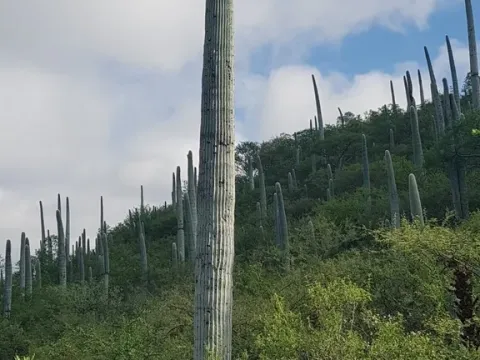
Cephalocereus is a genus of cacti within the family Cactaceae. These plants are native to Mexico, where they occupy arid, rocky environments with intense solar exposure.
What the section contains

Cephalocereus
The botanical highlight of this genus is its long, silky trichomes (hair) that coat the columnar stems, providing thermal insulation and protection from ultraviolet light.
Successful cultivation requires very high light intensity. Without sufficient sunlight, the cactus loses its structural integrity and its characteristic hair-like covering becomes sparse.
The substrate must be porous and highly inorganic, typically composed of coarse sand, gravel, and perlite, ensuring that water drains almost immediately after irrigation.
Temperature management is critical: these plants thrive in warm summer conditions but require a distinct cool, dry resting phase during the winter months to prevent etiolation.
Root rot is the most significant threat to Cephalocereus. It is almost always caused by overwatering or using a soil mix with insufficient drainage capabilities.
Common pests affecting the species include mealybugs and spider mites. These pests are particularly difficult to treat due to the dense hair covering the stem surface.
Using systemic insecticides or careful manual removal with cotton swabs soaked in alcohol is often necessary to eliminate infestations without damaging the plant's texture.
Fungal infections can spread rapidly in high-humidity environments. Improving air circulation around the plants is essential for maintaining a healthy greenhouse environment.
Over-fertilization can lead to weak, succulent growth, making the plant more susceptible to both parasitic attacks and physiological disorders like stem collapse.