
Cereus jamacaru
Cereus jamacaru
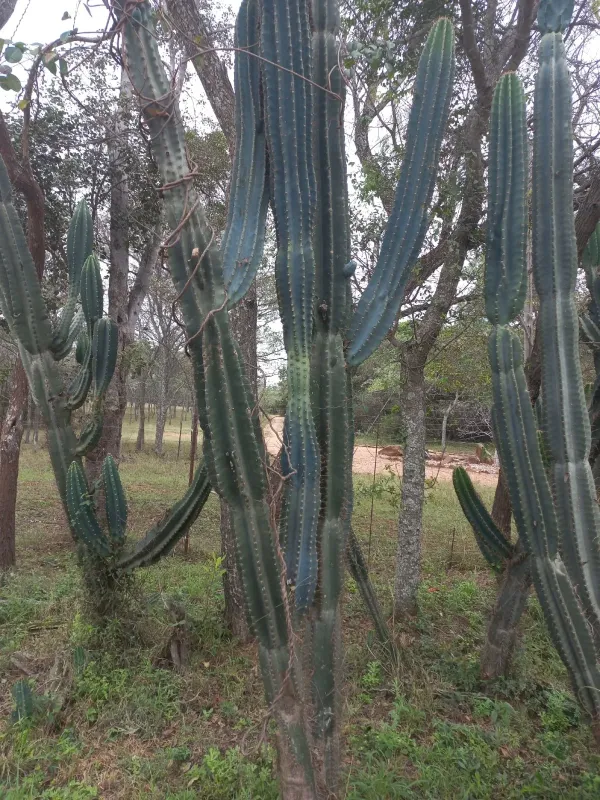
Description
Sowing dates
Cereus jamacaru, belonging to the Cactaceae family, is primarily propagated through vegetative means, specifically stem cuttings. This method ensures faster development of productive biomass compared to seed propagation.
When sowing seeds, the procedure is carried out during periods of stable warmth, with soil temperatures consistently above 20°C. Seeds are scattered on the surface of loose substrate without deep burial.
Preparation of planting material is crucial: cuttings must be left to dry for several days to form a callous tissue at the cut site, which prevents decay when planted in the soil.
Site selection must account for solar intensity, as this is a light-loving species. In commercial plantations, rows are oriented to ensure maximum solar radiation throughout the day.
The rooting phase requires moderate moisture levels, after which the crop transitions to a state of full drought tolerance. Outdoor planting should only occur once the risk of frost has passed.
Growing requirements
This crop is native to the Caatinga region of Brazil and is perfectly adapted to extreme semi-arid environments. It demonstrates high tolerance to irregular rainfall and intense direct sunlight.
It prefers well-drained, sandy or rocky soils with low organic matter content. The soil pH should be neutral to slightly acidic for optimal growth and nutrient uptake.
Ideal growth conditions for Cereus jamacaru include high daytime temperatures and significant fluctuations between night and day thermal indices. The plant is highly sensitive to waterlogging.
The species does not require intensive fertilization, though small applications of potassium and phosphorus during the active growing season can significantly boost its tissue resilience.
To prevent root rot, ensuring excellent soil aeration is mandatory. Heavy clay soils that retain moisture for prolonged periods must be avoided at all costs.
Yield
The primary agricultural use of Cereus jamacaru is as a succulent forage source for livestock during severe drought seasons. It serves as a vital strategic crop in unpredictable climates.
The fruits of this cactus are edible and highly valued by local populations for their sweet taste. They hold potential for food processing industries, particularly in jam and beverage production.
The biomass is rich in water, helping livestock maintain hydration during periods of extreme heat. Regular pruning of segments stimulates branching and enhances long-term biomass yield.
Agricultural operations can rely on stable growth even during years when conventional forage crops fail due to drought, making this cactus a highly resilient asset.
In plantation settings, planting density is calculated based on harvesting methods, ensuring adequate spacing for either mechanized equipment or manual harvest access.
Main diseases and pests
The primary threat to Cereus jamacaru is fungal infection, usually triggered by excessive moisture or poor ventilation. Common symptoms include dark lesions on stems and soft tissue decay.
Pests like mealybugs and spider mites can attack young stems. By feeding on the plant's sap, these pests weaken its structure and create entry points for secondary pathogens.
Certain insect larvae are known to bore into the fleshy stems, causing internal necrosis. Regular plantation inspections are essential for early detection and mitigation of infestations.
In cases of fungal attack, immediate sanitary pruning of affected tissues is recommended, followed by the disinfection of tools and the application of appropriate fungicides.
Disease prevention centers on maintaining strict irrigation schedules and ensuring optimal sun exposure, both of which hinder the development of pathogenic micro-climates.
Harvesting
Fruit harvesting is performed at the stage of full maturity, when the skin changes color and yields slightly to pressure. Ripening is staggered, necessitating repeated passes through the field.
Forage biomass is harvested through partial pruning of stems. It is essential to leave enough of the main branches to ensure the plant can quickly regenerate and continue producing growth.
Before being used as feed, spines must be removed from the segments either mechanically or by burning, which prevents internal injury to the animals' digestive tracts.
Storage of harvested fruits requires cool, dry conditions, as high humidity promotes rapid decay and spoilage of the produce.
Harvesting operations require strict safety protocols, as the plant is covered in sharp, durable spines capable of inflicting serious injury to personnel.