
Cereus childsii
Cereus childsii
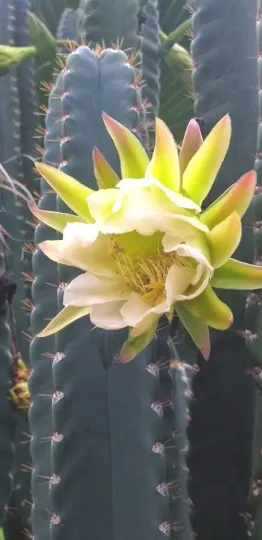
Description
Sowing dates
Propagation of Cereus childsii is most effectively performed via stem cuttings. The optimal timing for this process is late spring or early summer, when the plant is in its active growth phase.
Seed propagation is less common and requires strict adherence to temperature regimes. Seeds should be sown in a well-drained substrate, maintaining consistent moisture and a temperature around 25 degrees Celsius.
Before planting cuttings, it is crucial to allow them to air-dry for several days until a callus forms on the cut. This prevents tissue decay when the cutting is placed into moist soil.
Using rooting hormones can significantly increase the success rate of propagation. Young plants should be gradually acclimated to bright light once they have established roots.
Selecting the correct planting time ensures the development of a robust root system before the onset of the winter dormancy period.
Growing requirements
Cereus childsii belongs to the Cactaceae family and is a typical xerophyte. This crop requires maximum sunlight throughout the day to ensure full development of its stems.
The plant has moderate soil requirements, preferring loose, well-draining substrates enriched with coarse sand or gravel. It is essential to avoid water stagnation, which is fatal to the root system.
The temperature should be maintained between 20 and 30 degrees Celsius during the summer. In winter, the plant prefers a cooler environment between 10 and 15 degrees, which is necessary for flower bud initiation.
Irrigation must be strictly controlled; during the active growing season, water only after the soil ball has completely dried out. In winter, watering should be almost entirely suspended.
The plant adapts well to the dry air of modern apartments but requires regular ventilation to prevent fungal diseases.
Main diseases and pests
The primary pest for Cereus species in indoor environments is the spider mite, which attacks the epidermis of the plant in conditions of low humidity. Affected areas typically exhibit a characteristic brownish discoloration.
Mealybugs often infest the grooves of the stems, feeding on the plant's sap. They can be managed using systemic insecticides or by wiping the stems with an alcohol solution.
Root rot is the most dangerous condition, caused by chronic overwatering. It manifests as softening at the base of the stem and darkening of the internal tissues.
To prevent the spread of infections, strict hygiene is required when handling gardening tools. Tools must be disinfected regularly, especially after removing damaged plant parts.
- Regular inspection of the apical growth points.
- Monitoring the drainage layer in pots.
- Ensuring consistent airflow.
- Prompt isolation of infected specimens.
- Use of preventative fungicides.