
Cereus colosseus
Cereus colosseus
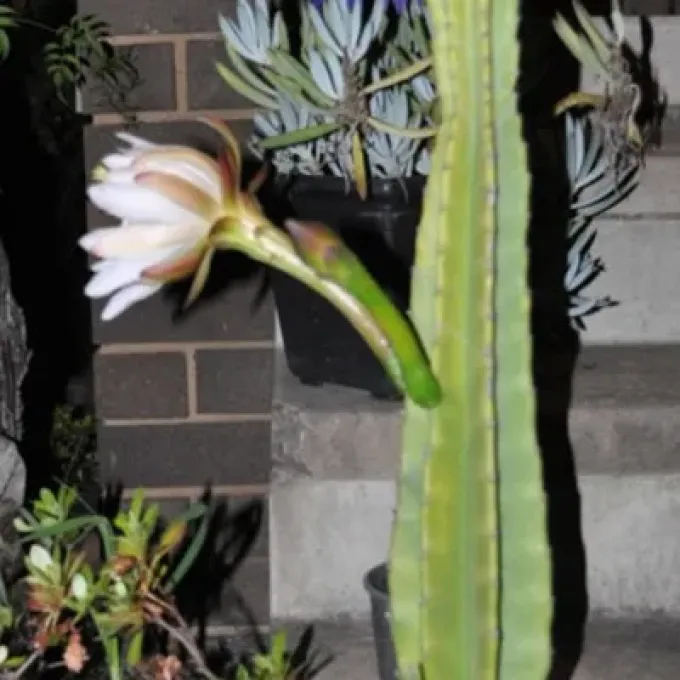
Description
Sowing dates
Cereus colosseus is a notable member of the Cactaceae family, known for its columnar growth habit and structural significance in both decorative and specialized cultivation.
Propagation is generally performed via seed sowing in early spring, utilizing a substrate mix that is highly inorganic to simulate the plant's natural arid habitat.
Seeds are sown in shallow trays, kept under high humidity until germination occurs, after which ventilation is gradually increased to harden the young seedlings.
Vegetative propagation through stem cuttings is also common; however, it requires the cut surface to dry thoroughly for several days to ensure complete callous formation.
Once established, these plants exhibit rapid growth compared to other cactus species, provided they have sufficient pot space to accommodate their root expansion.
Growing requirements
This species demands high light intensity throughout the year to maintain its structural integrity and prevent the etiolation of its characteristic massive stems.
Soil requirements focus on drainage; the ideal growing medium should consist of coarse sand, perlite, and a minimal amount of organic compost to prevent water retention.
Climate needs are centered on warm, dry summers and cool, dry winters, the latter of which is crucial for inducing dormancy and future floral development.
Watering must be strictly regulated, allowing the substrate to dry out completely between sessions to emulate the episodic rainfall patterns of its natural origin.
Fertilization should be limited to the growing season using low-nitrogen liquid formulas, which promote hardy growth rather than soft, succulent tissue that is prone to damage.
Main diseases and pests
Pathogenic fungi are the primary threat, often resulting from excessive moisture trapped in the soil, which leads to necrotic lesions at the base of the cactus.
Common invertebrate pests include spider mites and mealybugs, which thrive in stagnant, dry air conditions, often colonizing the crevices of the plant's ribs.
Biological control or targeted chemical intervention is required if an infestation is detected, focusing on the systemic protection of the plant's vascular system.
Monitoring the epidermis for discoloration or soft spots is a fundamental management practice that allows for early intervention against structural degradation.
Maintaining high hygiene standards in the cultivation area, including the removal of debris and proper air circulation, is the most effective preventative measure against pests.