
Cereus mirabella
Cereus mirabella
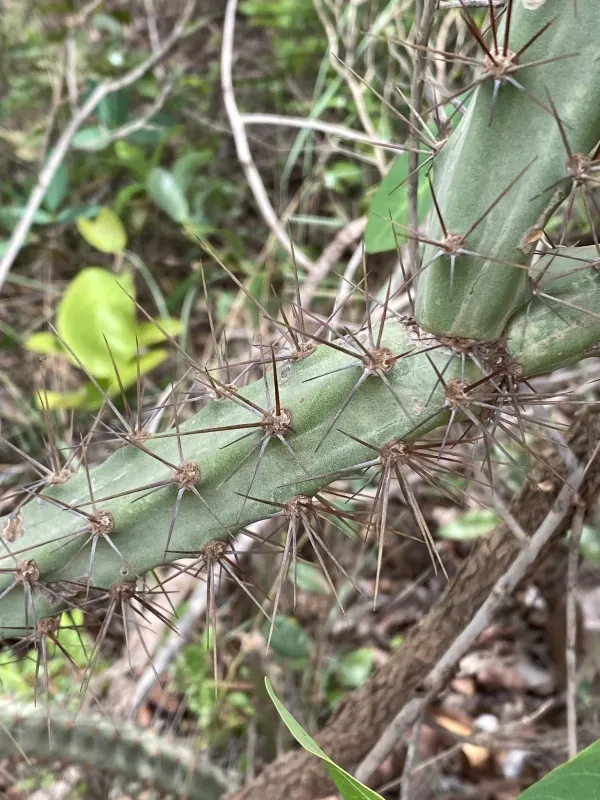
Description
Growing requirements
Cereus mirabella is a unique species of succulent belonging to the Cactaceae family. This perennial plant is highly valued for its compact growth habit and aesthetic appeal, making it a popular subject for specialized succulent collections and ornamental landscaping projects.
Native to the arid regions of South America, specifically Brazil, this species is adapted to intense sunlight and high temperature fluctuations. In an agricultural or horticultural setting, it requires maximum light exposure while avoiding direct scorched sunlight during the hottest hours of the day.
For successful development, the plant requires a loose, highly permeable soil mix with low organic matter content. Standard commercial cactus substrates, enriched with coarse sand, perlite, or crushed gravel, are ideal for facilitating drainage and preventing root hypoxia.
Watering must be strictly regulated according to the plant's growth cycle. During the growing season, the substrate should be allowed to dry out completely between waterings. In winter, the plant enters a dormancy phase, during which irrigation should be minimized or suspended entirely in cool conditions.
Mineral supplementation should be applied exclusively during the active vegetation phase. Fertilizers with low nitrogen levels and balanced phosphorus and potassium concentrations are recommended to enhance structural integrity and increase the plant's resistance to environmental stress.
Main diseases and pests
Excessive moisture within the substrate is the primary threat to this culture, often resulting in severe root and stem rot. These fungal infections are difficult to eradicate once they become systemic, necessitating preventative measures focused on proper moisture management and soil aeration.
Among pests, the mealybug and spider mite are the most significant threats to Cereus mirabella. These parasites feed on the plant's sap, significantly stunting its growth and causing physical damage to the epidermis, which can lead to further secondary pathogen attacks.
Regular visual inspections of the base of the stem and the areolas are essential for early pest detection. Upon the observation of any parasitic activity, the application of specific systemic insecticides or acaricides, following the manufacturer's precise instructions, is advised.
Physiological damage often occurs due to drastic temperature fluctuations combined with high ambient humidity. This environmental instability can manifest as necrotic spots on the cactus skin, which often serve as entry points for bacterial and fungal pathogens, necessitating stable climate control.
The use of non-sterilized organic additives can introduce harmful soil nematodes, which jeopardize root health. Adhering to strict sanitation protocols, including the sterilization of potting tools and substrates, is critical to maintaining the plant's vigor and preventing infestations throughout its lifecycle.