
Cephalocereus tetetzo
Cephalocereus tetetzo
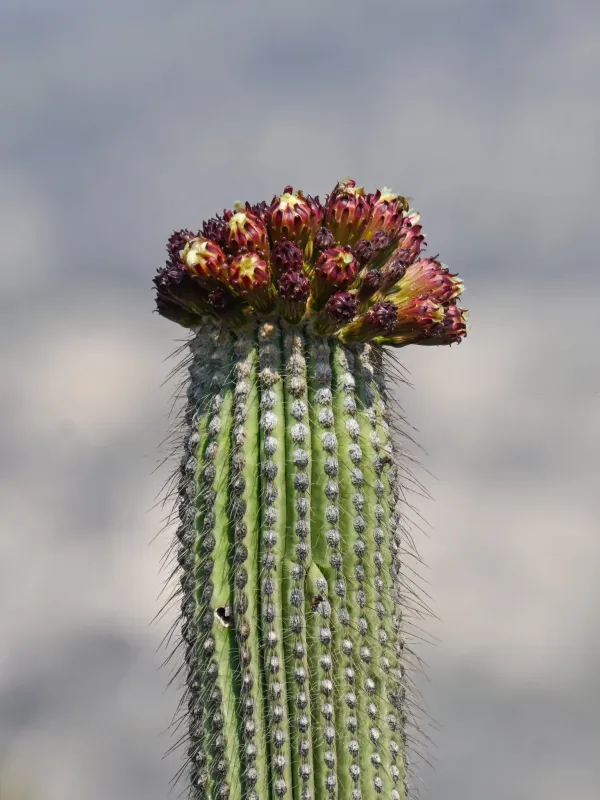
Description
Sowing dates
Propagation of this species through seeds requires strict temperature control and high humidity levels during the initial stages. Sowing is typically performed in spring using a sterile, well-draining substrate mix.
Seedlings of Cephalocereus tetetzo grow very slowly, which is a characteristic feature of this species. For the first year, they require shade from direct sunlight and very careful watering to prevent damping-off.
In commercial nursery settings, vegetative propagation or grafting is often preferred to speed up the development process. Cuttings must be dried for several days until a callus forms before being planted.
Optimal temperatures for seed germination and seedling growth are between +22 and +28 degrees Celsius. Good ventilation is essential to avoid fungal issues in the humid conditions required for germination.
Transplanting to permanent soil or large containers should only occur when the plants are at least 3–4 years old and have developed a sufficiently strong root and stem system.
Growing requirements
This plant is native to the arid regions of Mexico, specifically in Puebla and Oaxaca. It thrives in rocky, well-draining soils with a neutral or slightly alkaline pH level.
As a member of the Cactaceae family, this species is highly adapted to drought conditions. In its natural habitat, it can reach impressive heights of up to 12 meters, forming massive columnar structures.
Maximum sun exposure is mandatory for healthy growth, as the plant cannot tolerate even partial shading. Light deprivation leads to etiolation, where the stem becomes thin and weak.
Watering should be moderate during the active growing season, with the soil allowed to dry completely between sessions. During winter, the plant requires a dry dormancy period in cooler temperatures.
Excessive soil moisture is the primary cause of root rot, which is a lethal threat to this species. Providing a deep, coarse drainage layer at the bottom of the container is a standard requirement.
Yield
Cephalocereus tetetzo is cultivated primarily for ornamental purposes, landscape architecture in arid zones, and botanical research. It is a critical component of local ecosystems.
Its economic relevance is tied to specialized nursery trade and its importance to the biodiversity of Mexican desert regions. It holds cultural significance for indigenous communities.
The fruits of the plant are edible and have been traditionally foraged by local populations. However, commercial production is rare due to the slow growth rate and the challenges of harvesting from tall specimens.
Old, woody stems may occasionally be repurposed for traditional crafts or construction, though this is considered a secondary use rather than a primary goal of cultivation.
The main objective for modern cultivation is the preservation of this unique species within botanical collections and protected areas to ensure its survival against environmental changes.
Main diseases and pests
Mealybugs and spider mites are the most common pests affecting this cactus. They cluster in hidden areas and feed on the succulent tissue, causing significant stress to the plant.
Root rot, often caused by pathogenic fungi such as Fusarium, is the most dangerous threat. It is almost always a result of overwatering or inadequate soil aeration during the growing season.
Temperature fluctuations during the dormant winter period can lead to necrosis of the outer epidermis. This often manifests as unsightly black spots that can eventually compromise the stem.
Pests frequently exploit small wounds or micro-tears in the skin of the cactus, which is why maintaining the physical integrity of the plant is vital for disease prevention.
Nematode infestations can occur if the soil medium is not properly treated or sterilized. Symptoms include a cessation of growth and gradual dehydration, often requiring total soil replacement.
Harvesting
Fruit harvesting in the wild is a delicate process requiring specialized long-reach tools due to the height of the stems and the presence of sharp spines that protect the plant.
Seeds are collected only after the fruit has fully ripened and the skin begins to crack. Proper timing is essential to ensure the seeds are mature and viable for future planting.
After collection, seeds must be thoroughly cleaned of pulp and dried in a shaded area. Proper storage in cool, dry conditions is necessary to maintain high germination rates for the following season.
Transporting mature specimens requires the use of protective straps and padding to prevent epidermal damage. These plants are heavy and fragile, necessitating careful handling to avoid fractures.
In scientific research, seed collection is strictly regulated to ensure the genetic integrity of the species and to prevent the accidental introduction of pathogens into local habitats.