
Cereus fernambucensis
Cereus fernambucensis
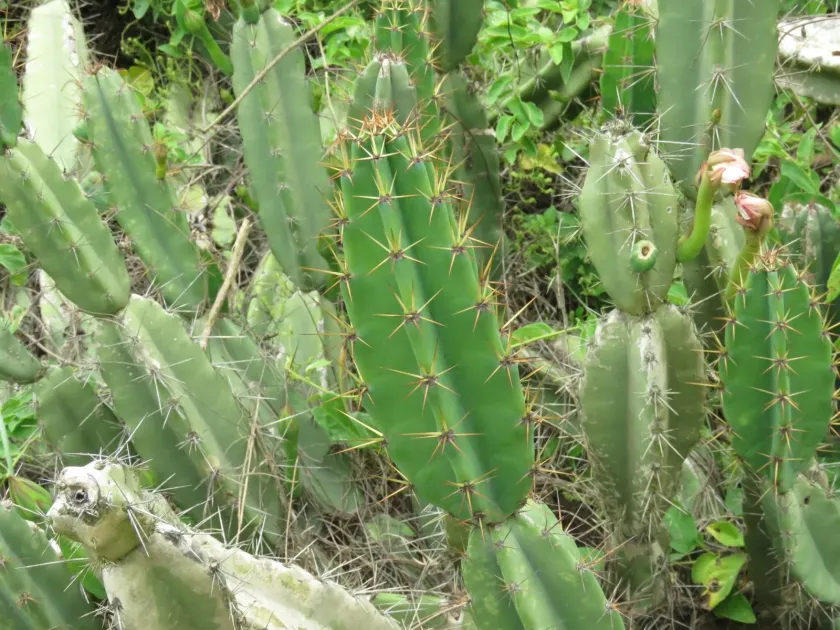
Description
Growing requirements
Cereus fernambucensis is a perennial succulent species belonging to the Cactaceae family. Native to the coastal regions of Brazil, it has evolved to thrive in sandy substrates and harsh, high-sunlight environments, making it a robust candidate for xerophytic cultivation.
The agronomic success of this crop relies heavily on soil structure. The medium must be highly porous and inorganic, featuring a high percentage of sand or perlite to facilitate rapid water drainage, as the roots are highly susceptible to root rot.
In terms of light exposure, this species demands full solar radiation for at least 6–8 hours daily. Adequate sunlight ensures the development of the characteristic glaucous waxy cuticle, which acts as a thermal shield and reduces water loss through transpiration.
Climate requirements include high ambient temperatures during the growth cycle, ideally between 22°C and 30°C. While the plant can tolerate short periods of heat, humidity levels should be kept low to prevent physiological stress and fungal colonization.
A maintenance program should strictly separate the growing season, which requires balanced watering, from the dormant season, when the plant must remain dry to induce proper metabolic activity and reproductive development in the following year.
Yield
The primary agricultural interest in Cereus fernambucensis is its fruit production. The fruits are succulent, edible, and nutrient-dense, contributing to local food security in semi-arid and coastal regions where traditional crops might fail.
Commercial yields are optimized through systematic pruning and ensuring the plant receives adequate micronutrients. Mature plants can provide multiple harvest cycles, showing high resilience to environmental stressors compared to typical fruit-bearing species.
Main diseases and pests
The most common pests affecting this species are mealybugs and scale insects, which hide in the rib crevices and feed on the plant's sap. Infestations should be managed using contact insecticides or horticultural oils applied during the early stages of the attack.
Fungal pathogens such as Phytophthora are the most critical threat. These infections usually manifest as dark, sunken spots on the stem, which can rapidly spread if the humidity remains high; keeping the environment dry is the best preventive measure.
Harvesting
Harvesting of the fruit is performed manually once they attain their deep, mature coloration. Because the fruits may retain small, sharp spines, field workers should utilize thick gloves to prevent injury and ensure the integrity of the fruit's skin.