
Cereus lanosus
Cereus lanosus
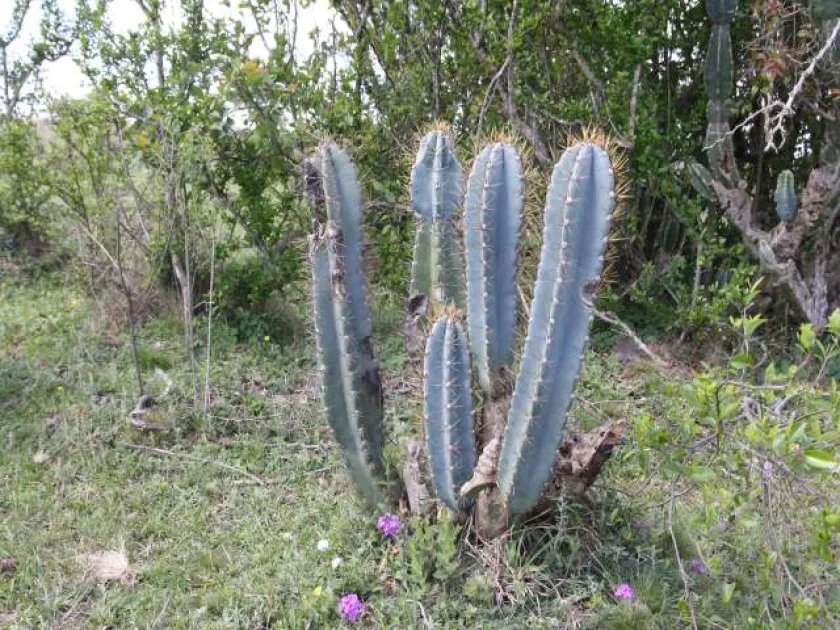
Description
Growing requirements
Cereus lanosus is a notable species within the Cactaceae family, recognized for its columnar structure and distinctive woolly appearance of the areoles. It functions as a succulent crop, highly valued for both ornamental and botanical research purposes.
Native to the arid regions of South America, this plant is evolutionary adapted to extreme sun exposure and minimal soil moisture. Understanding its natural habitat is crucial for successful cultivation in controlled environments or greenhouse conditions.
The cultural requirements demand full-sun exposure and high light intensity to maintain the structural integrity and natural coloration of the epidermis. Insufficient lighting usually results in etiolation and structural weakness.
Soil management should prioritize drainage above all else. A porous substrate consisting of coarse sand, perlite, and a small fraction of organic loam is recommended to prevent moisture retention near the root collar.
Climate management requires a seasonal approach: warmer temperatures during the active growing season and a cool, dry rest period during winter. This cycle is essential to trigger natural physiological processes and potential reproductive stages.
Main diseases and pests
Root rot, primarily caused by excessive irrigation and poor soil aeration, is the most common threat to Cereus lanosus. It often leads to rapid decay of the vascular tissues and subsequent plant loss.
Mealybugs are frequently observed pests, utilizing the plant's woolly areoles as shelter and feeding sites. Regular inspections are necessary to detect early infestations before they expand to the entire plant structure.
Spider mites are another significant threat, thriving in dry environments. They cause physical damage to the plant's skin, making it susceptible to secondary infections and reducing its overall aesthetic value.
Fungal pathogens such as Fusarium can be problematic in high-humidity conditions. Using fungicide-treated seeds or sterile substrates for propagation serves as a primary preventative measure for young specimens.
Proper sanitation and isolation of new plants are critical strategies in agricultural management to prevent the spread of pests and diseases across the cultivation collection.