
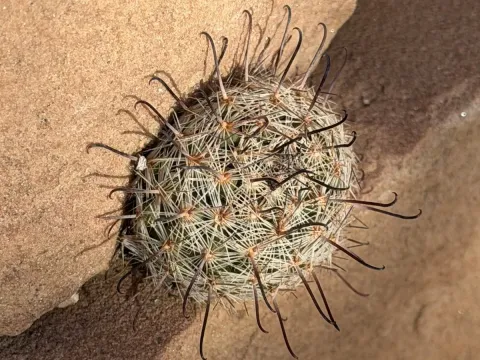
Cochemiea
Cochemiea
Propagation of Cochemiea by seeds requires discipline and strict temperature control. The optimal time for sowing is spring, as increasing day length provides the necessary light levels for robust seedling development.
What the section contains
 Cochemiea albicans
Cochemiea albicans
Cochemiea albicans
 Cochemiea armillata
Cochemiea armillata
Cochemiea armillata
 Cochemiea blossfeldiana
Cochemiea blossfeldiana
Cochemiea blossfeldiana
 Cochemiea boolii
Cochemiea boolii
Cochemiea boolii
 Cochemiea capensis
Cochemiea capensis
Cochemiea capensis
 Cochemiea cerralboa
Cochemiea cerralboa
Cochemiea cerralboa
 Cochemiea hutchisoniana
Cochemiea hutchisoniana
Cochemiea hutchisoniana
 Cochemiea mainiae
Cochemiea mainiae
Cochemiea mainiae
 Graham's pincushion
Cochemiea grahamii
Graham's pincushion
Cochemiea grahamii
Cochemiea
The substrate for sowing should be extremely loose and porous, preferably based on fine sand mixed with a small amount of peat. Sterilizing the soil mix is essential to prevent the development of mold and damping-off fungi.
Seeds are sown on the surface and not buried, only lightly covered with a fine layer of sand. The containers should be covered with clear glass or plastic to maintain humidity at 80-90% during the germination phase.
The temperature during the germination period should be maintained between +22 and +25 degrees Celsius. Seedlings usually emerge within two to three weeks, provided that the greenhouse is ventilated regularly.
Once the first spines appear, the seedlings should be pricked out into individual small pots. This stage requires delicate handling to avoid damaging the sensitive root system of the young cacti.
Cochemiea belongs to the Cactaceae family and is native to the arid regions of Mexico and California. It is a light-loving genus that requires intense sunlight throughout the growing season to maintain its compact and natural form.
Soil requirements focus on providing perfect drainage. For successful cultivation, it is recommended to use specialized succulent mixes amended with gravel, vermiculite, or pumice to prevent moisture stagnation near the roots.
During the summer months, the plant prefers moderate temperatures ranging from +25 to +30 degrees Celsius. Proper air circulation around the cactus is crucial to avoid overheating and the development of fungal infections in high humidity.
The dormancy period occurs in winter, requiring a temperature drop to +10...+12 degrees. During this phase, watering should be minimal, while light levels must remain high to prevent the stems from etiolating.
Watering must be strictly controlled and applied only after the soil has dried out completely. Using soft, room-temperature water is essential for the long-term health and stability of the root system.
The primary threats to Cochemiea are root and stem rots caused by overwatering or poor drainage. Any signs of soft, discolored tissue necessitate immediate repotting and the removal of affected areas.
Mealybugs are the most frequent insect pests, often hiding between the tubercles of the cactus. Their colonies extract cell sap, causing stem deformation and significantly weakening the plant's overall immune system.
Spider mites may attack the plant in environments with extremely low humidity. Targeted acaricides are required for control, as standard insecticides are ineffective against this specific pest.
Scale insects can firmly attach to the epidermis, requiring manual removal with a cotton swab dipped in rubbing alcohol. A follow-up treatment a week later is necessary to ensure the eradication of all larvae.
To prevent fungal outbreaks, growers should maintain moderate air humidity and ensure that water droplets do not settle on the cactus stem during overhead watering.