
Cereus trigonodendron
Cereus trigonodendron
Description
Growing requirements
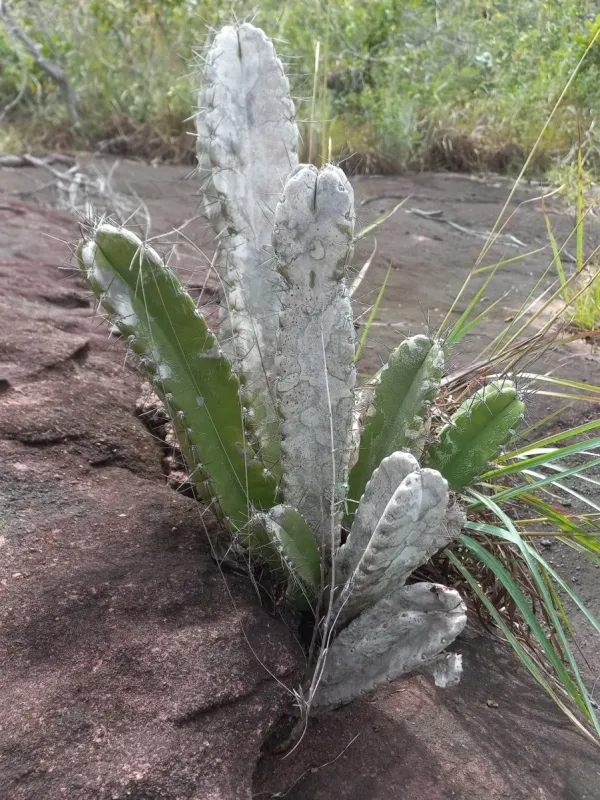
Cereus trigonodendron is a robust species within the Cactaceae family, known for its distinct tree-like structure and columnar growth. It is a succulent perennial that has adapted to harsh environmental conditions through specialized water storage mechanisms.
Native to the tropical zones of South America, this plant is primarily found in arid and semi-arid environments. Its natural habitat consists of well-draining rocky slopes and dry forest margins where it competes for sunlight.
For agricultural or ornamental production, full sun exposure is a non-negotiable requirement. High irradiance levels promote the development of a thick cuticle and strong spines, which are essential for the health and resilience of the cactus.
The growing medium must be highly porous, consisting of a mix of volcanic grit, coarse sand, and a small percentage of organic matter. Proper drainage is the primary factor in preventing root asphyxiation during the growth season.
Climate requirements include high temperatures and low relative humidity. During the active growth period, the ideal temperature range is between 25°C and 35°C, ensuring rapid cell division and healthy tissue development.
Main diseases and pests
The primary threats to Cereus trigonodendron are fungal pathogens, specifically those causing basal and root rot. These organisms flourish when soil moisture remains high for extended periods, leading to tissue necrosis.
Pests such as mealybugs, scale insects, and spider mites are frequent invaders. They colonize the ribs and areoles, extracting nutrients and causing localized tissue damage, which can serve as entry points for secondary bacterial infections.
Integrated pest management (IPM) is crucial, involving the application of horticultural oils or systemic insecticides during the early stages of an outbreak to prevent widespread infestation of the crop.
Root-knot nematodes can pose a significant challenge if the soil is not properly sterilized. These pests compromise the root system, inhibiting water and nutrient uptake and resulting in overall plant stunting.
Environmental stress, such as sudden temperature drops accompanied by high humidity, can lead to physiological disorders that weaken the plant, making it more susceptible to opportunistic pathogens and reducing overall yield.