
Cereus pierre-braunianus
Cereus pierre-braunianus
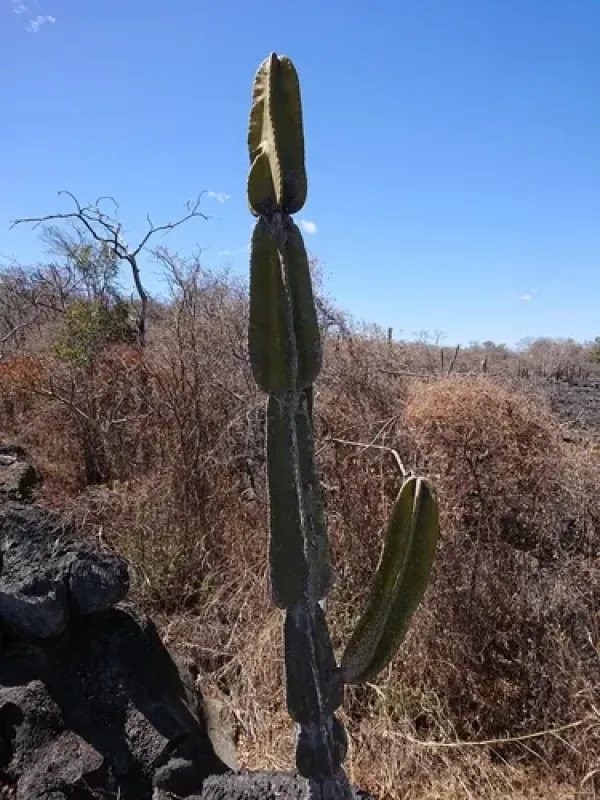
Description
Growing requirements
Cereus pierre-braunianus belongs to the Cactaceae family and is recognized as a majestic columnar cactus species. Native to Brazil, it has evolved to thrive in arid and semi-arid environments, developing a robust vascular system to survive prolonged droughts.
The species prefers high-intensity sunlight and requires a well-aerated, rocky substrate to mimic its natural habitat. Soil composition should prioritize drainage over nutrient density to prevent any water accumulation, which is the primary cause of physiological stress in this species.
Climate requirements include warm temperatures throughout the year with a distinct dry period in winter. During this dormant phase, the plant metabolic rate slows down, and watering should be minimal to avoid root suffocation and subsequent decay.
Botanically, it features prominent ribs and well-defined areoles. Its growth rate is generally moderate, depending on the availability of light and appropriate thermal conditions. Providing proper airflow is essential to prevent the accumulation of humidity around the succulent stem.
In professional cultivation, the plant is typically propagated through seeds or stem cuttings. When taking cuttings, it is crucial to allow the wound to callous completely before placing it in the soil, which significantly reduces the risk of fungal entry into the succulent tissue.
Main diseases and pests
The primary threats to Cereus pierre-braunianus are fungal infections caused by excessive moisture and poor air circulation. Overwatering often leads to root rot, which is notoriously difficult to treat once the central vascular tissues are compromised.
Mealybugs are the most common pests found on this cactus species. They often hide in the deep crevices between ribs, making manual detection difficult. If left uncontrolled, they extract significant amounts of plant sap, leading to stunted growth and leaf chlorosis.
Scale insects can also attach to the tough epidermis, creating small wounds. These punctures allow pathogens to enter, which can lead to localized necrosis. Frequent inspection of the stem surface is recommended to catch pest infestations in the early stages.
Integrated pest management involves the use of systemic insecticides, which are absorbed by the plant and provide protection against sap-sucking insects. Caution must be exercised to ensure that chemical applications are done during the growing season.
Prevention remains the best strategy for maintaining plant health. Ensuring that the cactus is kept in a substrate with adequate porosity and that it receives sufficient sunlight will significantly boost its natural resistance to both insects and fungal diseases.