
Cereus repandus
Cereus repandus
Description
Growing requirements
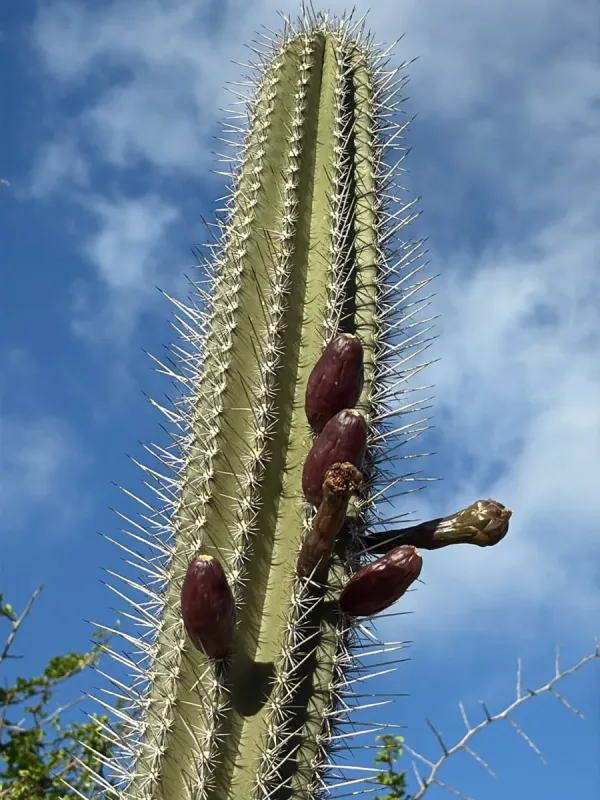
Cereus repandus, commonly known as the Peruvian apple cactus, is a large, columnar cactus belonging to the Cactaceae family. In its natural habitat, it can grow as a tree up to 10 meters tall, featuring a thick, woody trunk and numerous branches.
Native to arid regions of South America and the Caribbean, this culture thrives in tropical and subtropical climates. It requires high levels of direct sunlight to maintain its structural integrity and promote vigorous growth.
The soil requirements are strict: the cactus needs a well-draining substrate to prevent root rot. A mixture of loam, coarse sand, and gravel is recommended to ensure that excess water drains quickly from the root zone.
Climate control is essential for cultivation. During the growing season, the plant prefers temperatures ranging from +22°C to +30°C. In winter, it requires a cooler period of dormancy, though it should be kept above +10°C.
Agricultural practices involve a moderate watering schedule during the warm months and complete cessation of watering in winter. Regular fertilization with low-nitrogen, high-potassium supplements is encouraged during the active growth phase.
Yield
Cereus repandus is highly regarded for its edible fruit, which is known as the cactus apple. The fruit has a smooth, vibrant skin and a sweet, juicy flesh filled with small, crunchy seeds.
In various Caribbean regions, this species is cultivated commercially for fruit production. The harvest can be consumed fresh or processed into refreshing juices, jams, and various culinary desserts.
Yield capacity is influenced by the maturity of the plant and its sun exposure. Healthy, well-maintained specimens can produce numerous fruits per season, contributing to local food security and agricultural value.
Beyond fruit production, the plant serves as a functional landscape element. Its stature and density make it an ideal choice for natural fencing in dry, tropical climates where other crops might struggle.
The inner woody skeleton of the cactus is notably durable. After the plant completes its life cycle or is pruned, this wood is often utilized for rustic construction, furniture making, or decorative handicraft projects.
Main diseases and pests
The most significant threat to Cereus repandus is overwatering, which leads to bacterial or fungal root rot. If the base of the stem becomes soft or discolored, immediate action to dry the substrate and prune damaged roots is necessary.
Common pests include spider mites and mealybugs, which thrive in dry conditions. These insects weaken the plant by extracting sap from the skin, often leaving behind unsightly scarring or deformation.
Treatment involves using effective insecticides or acaricides, alongside manual removal of pests using alcohol-dipped cotton swabs. Maintaining optimal air circulation is key to preventing re-infestation.
Fungal pathogens can manifest as dark spots on the cactus epidermis, usually triggered by stagnant air or improper cooling. Proper ventilation and a stable environment are the primary defenses against such infections.
Regular monitoring of the plant’s growth tips and base is recommended to catch potential issues early. Keeping the cactus clean and ensuring it receives adequate light will help build natural resistance to most common diseases.