
Cipocereus
Cipocereus
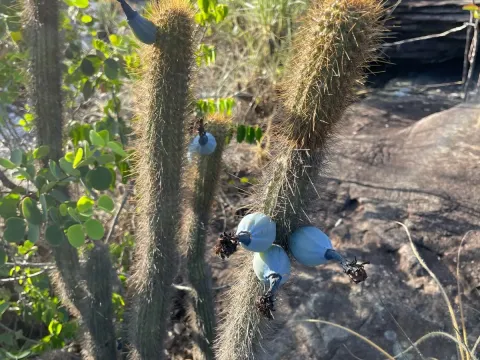
Cipocereus is a genus of cacti belonging to the Cactaceae family. Native to Brazil, these plants are known for their shrubby or tree-like growth habits, often found growing in rocky environments. They are highly adapted to tropical conditions with seasonal rain and periods of intense aridity.
What the section contains

Cipocereus
The cultivation of Cipocereus requires a substrate with excellent drainage, typically consisting of grit, coarse sand, and a minimal amount of organic substrate. This mimics the rocky, nutrient-poor soils of their native habitats and prevents the accumulation of excess water around the roots.
Proper light exposure is critical for this genus. They thrive under intense sunlight, which is necessary to maintain their structural integrity and the development of their protective waxy cuticle. Inadequate lighting results in etiolation and weakens the plant’s defense mechanisms against various pathogens.
Botanically, Cipocereus is characterized by ribbed stems, which can be remarkably rigid. Depending on the species, the plants may bloom with distinctive flowers, often adapted for nocturnal pollinators. These features make them highly desirable specimens for specialized botanical gardens and private cactus collections.
The economic role of Cipocereus is strictly ornamental. Unlike other cacti that may produce edible fruit, these are managed primarily as collectible assets. Their slow growth rate and specific environmental demands make them challenging for large-scale production, limiting their availability in the nursery trade.
The most common threat to Cipocereus is fungal infection caused by waterlogged soil. Root rot is a lethal condition that often goes unnoticed until the physical structure of the stem collapses, making early detection and appropriate soil aeration vital.
Pests such as mealybugs and spider mites frequently attack these cacti. Mealybugs tend to hide within the grooves of the ribs or near the growing apex, while spider mites cause visible discoloration and scarring on the skin of the plant.
Effective management involves the use of systemic insecticides and manual removal of pests. Maintaining good air circulation in the growing space is one of the most effective ways to discourage the proliferation of these pests and prevent common fungal issues.
Physiological damage can occur during the transition from winter dormancy to active growth. If the plant is exposed to extreme UV levels without acclimation, it can suffer from sunburn, which leaves permanent aesthetic damage and potential entry points for pathogens.
Overall, success with Cipocereus depends on replicating their native climate while providing rigorous sanitation. Growers must prioritize preventing moisture buildup near the base, which is the most vulnerable point for bacterial and fungal infections.