
Cereus aethiops
Cereus aethiops
Description
Growing requirements
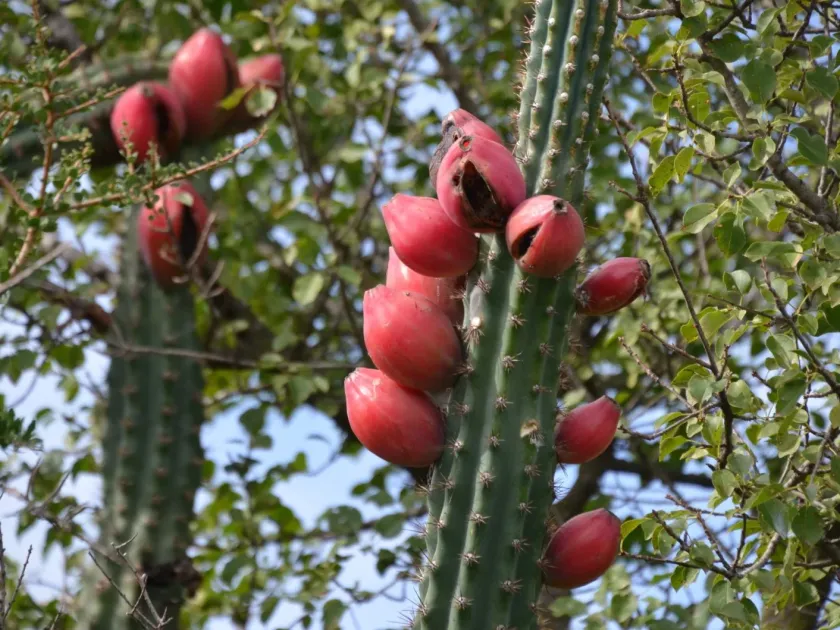
Cereus aethiops is a distinctive species within the Cactaceae family, native to the arid regions of Argentina. This succulent is recognized for its columnar growth habit, featuring dark green to bluish-grey stems armed with formidable, dark spines.
The plant thrives in environments that mimic its natural habitat, requiring high levels of solar radiation. Full sun exposure is critical for the development of healthy, firm stems and the maintenance of its unique structural integrity during the growing season.
Soil requirements focus on extreme porosity and drainage. A standard mix should include a high proportion of inorganic grit, such as pumice, coarse sand, or expanded clay, to ensure that water does not linger around the root system for extended periods.
Optimal growth occurs within a temperature range of 22°C to 30°C. During the dormant winter season, it is essential to lower temperatures to approximately 10°C to 12°C, which helps the plant reset and prepares it for the subsequent spring bloom cycle.
Watering practices must be disciplined. During the growth phase, the soil should be watered thoroughly but allowed to dry out completely before the next irrigation. During the winter, water must be withheld to minimize the risk of physiological stress.
Main diseases and pests
The primary threats to Cereus aethiops are fungal infections stemming from excessive soil moisture. Root rot and stem rot are common consequences of waterlogging, often appearing as soft, discolored patches on the base of the plant.
Pests, particularly mealybugs and spider mites, pose significant challenges to cultivation. These organisms target the recesses between the ribs and the area surrounding the areoles, where they feed on the plant's sap and weaken its defenses.
Effective management involves consistent monitoring and the application of integrated pest management strategies. Using horticultural oils or systemic insecticides can help control infestations before they compromise the aesthetic value of the specimen.
Ventilation is a key factor in prevention. Stagnant air coupled with high humidity can create an ideal environment for bacterial pathogens. Ensuring a gentle, consistent airflow helps keep the stem surfaces dry and healthy.
Lastly, care should be taken to avoid physical damage during handling. Any abrasion to the epidermal layer can allow opportunistic fungi to enter. If a wound occurs, it must be allowed to callous over in a dry, shaded area before the plant is returned to its normal environment.