
Cereus albicaulis
Cereus albicaulis
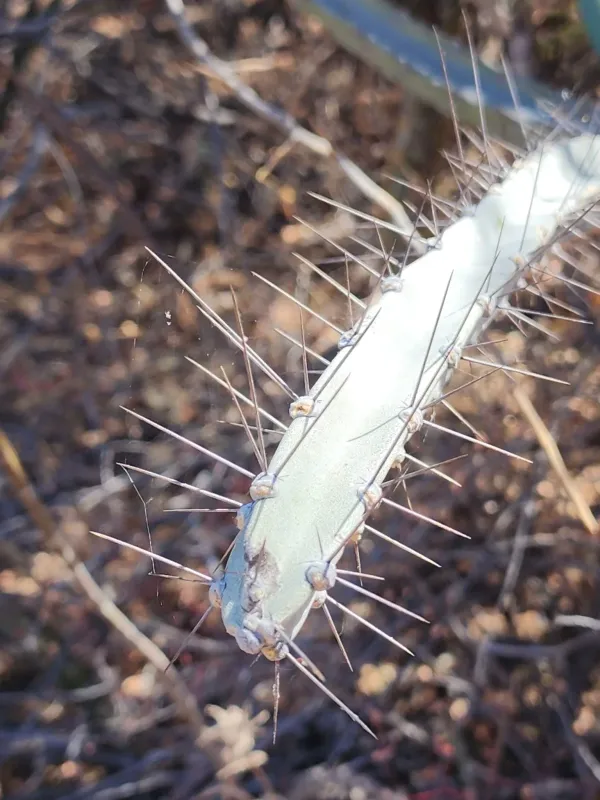
Description
Growing requirements
Cereus albicaulis is a distinct member of the Cactaceae family, native to the arid landscapes of South America. This species is highly adapted to extreme temperature fluctuations and long periods of drought, characteristic of its natural habitat.
Botanically, it is characterized by its slender, white-barked stems that can grow quite tall under optimal conditions. Its slow-growing nature and structural integrity make it a preferred choice for ornamental succulent collections and arid-landscape architecture.
To cultivate this plant successfully, one must provide a substrate with excellent drainage. A mixture containing pumice, coarse sand, and a small portion of potting soil is highly recommended to prevent the risk of root rot, which is common in denser media.
Environmental conditions require intense sunlight exposure for at least six to eight hours per day. Lack of light will cause etiolation, where the stem becomes thin, stretched, and loses its structural strength, making it vulnerable to breaking.
Agricultural management during the growing season involves deep watering followed by a drying period, ensuring no moisture remains in the tray. During the dormancy phase, water intake should be significantly reduced or stopped entirely to allow the plant to rest.
Main diseases and pests
The primary threat to the health of Cereus albicaulis is fungal infection resulting from high humidity and stagnant water. Fungal pathogens attack the cactus tissues rapidly, turning them soft and mushy, which often leads to the total loss of the specimen.
Regarding pest pressure, the plant is susceptible to spider mites and mealybugs that congregate in the crevices of the stem. Maintaining high airflow and consistent monitoring are the best preventative strategies against these parasitic insects.