
Cereus stenogonus
Cereus stenogonus
Description
Growing requirements
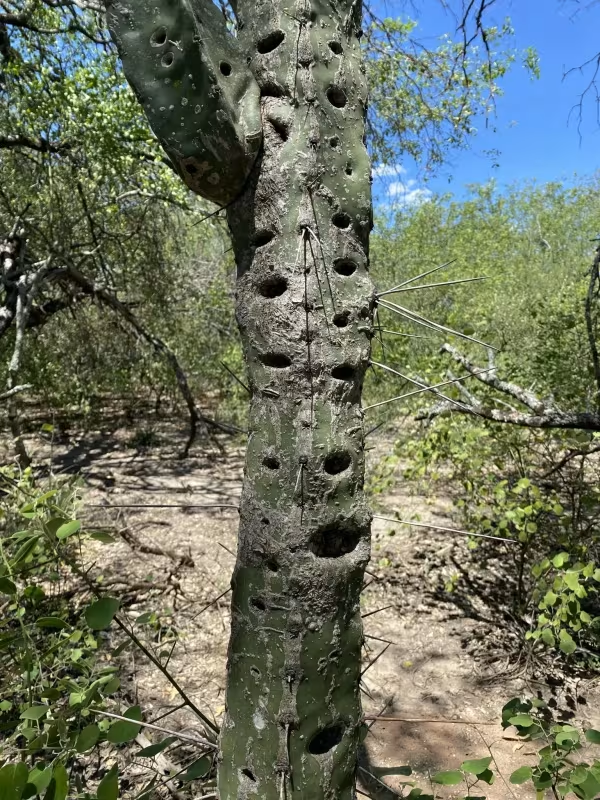
Cereus stenogonus is a distinctive columnar cactus belonging to the Cactaceae family, known for its rapid vertical growth and rigid, narrow ribs. It is widely utilized as a decorative plant in arid landscape projects and serves as a model species for studying succulent adaptation.
Originating from the tropical regions of South America, specifically Paraguay and Argentina, this plant thrives in areas with high solar radiation. It requires full sunlight exposure for most of the day to maintain its structural integrity and prevent etiolation of the stem.
The substrate must be highly porous and well-drained, typically consisting of a mix of coarse sand, perlite, and a small amount of mineral-rich soil. Proper aeration of the root zone is crucial, as the species is highly susceptible to root decay in stagnant water conditions.
Climate requirements involve warm growing temperatures between +20°C and +30°C. While the plant can tolerate short periods of heat stress, it is not frost-hardy and must be protected from freezing temperatures, which can irreversibly damage the plant tissue.
Agricultural management centers on a rhythmic watering schedule: generous moisture during the active growing season, followed by a dry, cool rest period during winter. Proper spacing between plants is essential to ensure adequate air circulation and reduce the risk of humidity-related issues.
Main diseases and pests
The primary pests affecting Cereus stenogonus include mealybugs and spider mites, which congregate in the deep furrows between the ribs. These pests weaken the plant by extracting sap and may cause yellowing of the epidermis if left uncontrolled.
Fungal infections, particularly root rot (caused by Phytophthora or Pythium species), are the most significant threats to crop viability. Implementing a prophylactic fungicide program and ensuring a strict "dry-out" period for the soil after each irrigation are critical to preventing disease outbreaks.