
Cereus caesius
Cereus caesius
Description
Growing requirements
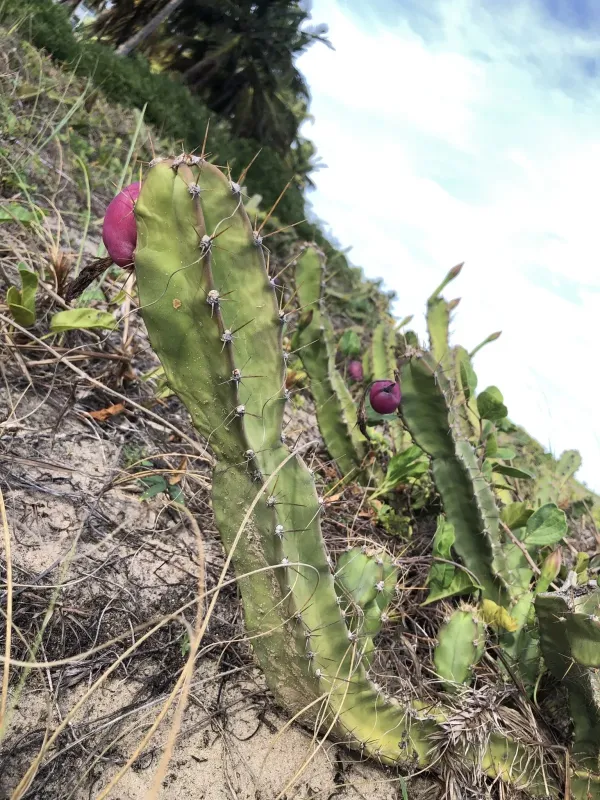
Cereus caesius belongs to the Cactaceae family and is recognized by its distinct columnar structure and glaucous, waxy bloom. This species is highly adapted to arid environments, featuring structural defenses against intense sunlight.
The plant originates from arid regions where high solar exposure is constant. In cultivation, it thrives best in locations with direct sunlight for most of the day to maintain its compact growth and blue coloration.
The soil requirements prioritize excellent drainage. A mix comprising coarse sand, grit, and low-organic horticultural soil is essential to prevent moisture accumulation around the roots, which is the primary cause of plant failure.
Temperature control is vital for successful development. The plant prefers warm conditions during the growing season, typically between 22°C and 28°C, while requiring a cooling period in winter to stimulate biological processes.
Watering management should follow the 'soak and dry' method. It is imperative to allow the substrate to dry out completely before providing additional water, especially during periods of lower ambient light.
Main diseases and pests
Fungal infections are the most significant threat to Cereus caesius, often triggered by excessive humidity and poorly aerated soils, leading to stem rot and tissue collapse.
Common pests include mealybugs, which congregate in the areoles and deep ribs of the plant. Regular monitoring of the plant's surface can detect early infestations, which can be treated with systemic pesticides.
Spider mites represent a secondary threat, particularly when the ambient air is excessively dry. These pests cause discoloration and scarring of the cactus epidermis if left unchecked for long periods.
Root aphids can also be problematic, living in the root ball and causing stunted growth. These are best managed by inspecting roots during repotting and applying appropriate soil drenches.
To maintain plant health, it is recommended to ensure proper ventilation around the plant. Reducing humidity levels during the dormant season effectively prevents the spread of opportunistic fungal pathogens.