
Cereus forbesii
Cereus forbesii
Description
Growing requirements
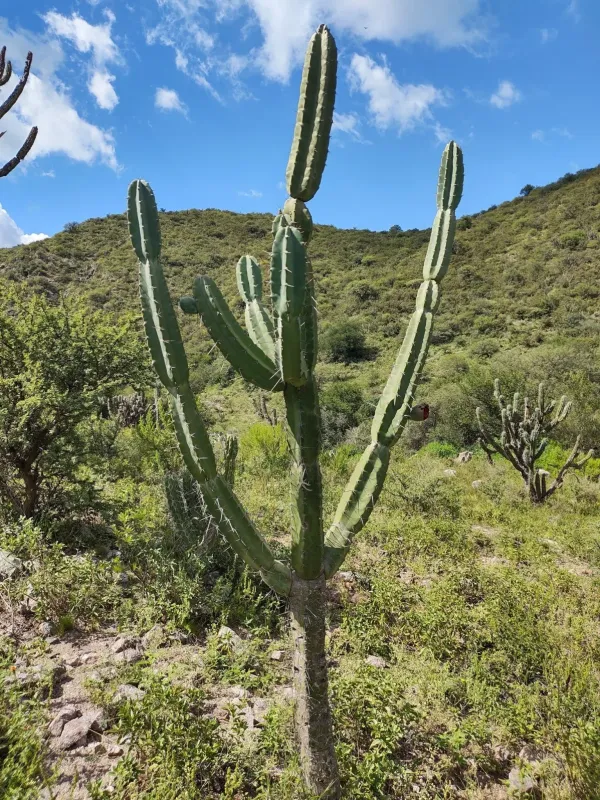
Cereus forbesii is a columnar cactus species belonging to the Cactaceae family, native to the arid and semi-arid regions of South America. It is recognized for its robust, branched growth habit and its ability to withstand extreme fluctuations in temperature and water availability.
Botanically, the plant features a thick, ribbed stem protected by well-developed spines, which serve both as defense against herbivores and as a mechanism for reducing surface evaporation. The plant can reach significant heights, making it a prominent element in its natural desert habitat.
The cultivation of this species requires a substrate that mimics its natural environment, emphasizing excellent drainage and aeration. A mixture of gravel, coarse sand, and a small portion of organic matter is ideal to prevent root asphyxiation, which is the primary cause of decline in indoor or greenhouse settings.
Climatic requirements focus on high light intensity and thermal stability. During the growing season, deep and regular watering is permitted only when the soil is completely dry. However, a strict dormancy period with minimal watering and cool temperatures is necessary to maintain the plant's health and stimulate future flowering.
Regarding its хозяйственное use, Cereus forbesii is highly valued in the ornamental plant trade for landscaping in dry climates. Additionally, its vigorous growth makes it an excellent rootstock for grafting more delicate, rare cactus species, serving as a reliable foundation for nursery production.
Main diseases and pests
The primary threats to Cereus forbesii involve fungal pathogens, particularly when cultivation conditions lack sufficient airflow or drainage. Root and stem rot are the most frequent diseases, often triggered by excessive soil moisture during low-light conditions or cooler, damp nights.
Pest management is centered on controlling spider mites and mealybugs, which are common issues for many succulent species. These pests cluster in the spines and crevices, extracting sap and creating entry points for opportunistic bacterial and fungal infections that can compromise the plant's structural integrity.
Prevention involves regular monitoring and maintaining optimal environmental conditions that keep the plant in a state of high vigor. If infestation occurs, topical treatments with mild insecticides or manual removal is often preferred over systemic treatments to avoid physiological stress to the plant.
Physical injuries to the cactus stem present a significant risk, as any open wound can harbor pathogens. It is essential to ensure that any cuts or damages are allowed to callus over completely in a dry, shaded area before the plant is exposed to moisture or soil contact.
Environmental stress management is also critical. Sudden shifts from extreme heat to high humidity can induce stress-related tissue damage, manifesting as discolored patches. Consistent monitoring and preventive fungicide applications during seasonal transitions can effectively mitigate the risk of disease spread.