
Pachyrhizus erosus
Cereus pachyrrhizus
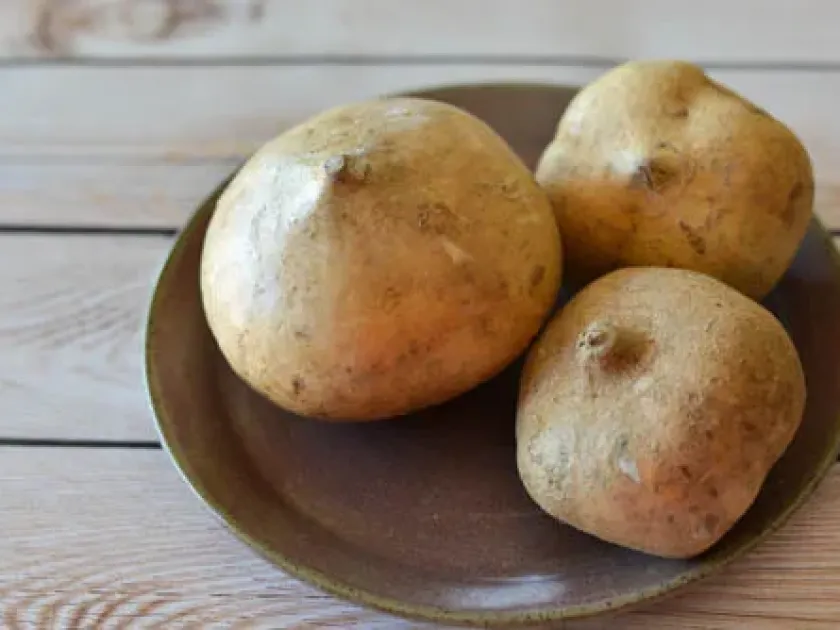
Description
Sowing dates
Pachyrhizus erosus, widely known as jicama, is a vigorous leguminous vine that requires a long frost-free growing season to reach maturity and produce large tubers.
In temperate zones, it is essential to start seeds indoors in well-drained soil mixes approximately 8 to 10 weeks before the last spring frost date.
Pre-soaking the seeds in warm water for about 24 hours is a highly recommended practice to soften the hard seed coat and ensure uniform and rapid germination.
Once the soil has thoroughly warmed up and the risk of frost has passed, the seedlings should be transplanted carefully into a sunny garden location.
Proper spacing is crucial; plants should be set about 30 to 45 centimeters apart to allow sufficient airflow and room for the tubers to expand underground.
Growing requirements
The plant thrives in full sunlight and warm temperatures, ideally between 25 and 30 degrees Celsius, which are necessary for optimal vegetative development.
Ideal soil for jicama should be light, sandy-loam, and deep, ensuring that the tuber has little resistance to grow downwards and that drainage is excellent.
The crop is sensitive to waterlogging, so raised beds or mounds are often preferred to ensure that excess water drains away from the root zone quickly.
As a climbing plant, it requires a robust trellis system, as letting the vines spread on the ground can lead to disease issues and reduced tuber size.
Consistent soil moisture is important throughout the growth period, but irrigation should be adjusted to prevent the soil from becoming waterlogged after rainfall.
Yield
The maturation period is relatively long, often taking 5 to 6 months from planting to harvest, as the plant needs sufficient time to accumulate starch in the root.
For maximizing yield, experienced growers frequently prune off flowers, as reproduction processes consume energy that would otherwise be stored in the edible root.
Under favorable conditions, a single jicama plant can produce a tuber weighing between 0.5 to 2 kilograms, depending on the variety and soil fertility.
Yields are highest in soils rich in potassium and phosphorus, which promote root expansion and density, while excessive nitrogen may lead to oversized leafy growth at the expense of the tuber.
It is important to note that the above-ground parts of the plant, including seeds and pods, are toxic and should never be consumed under any circumstances.
Main diseases and pests
Root-knot nematodes and soil-dwelling larvae are significant threats that can damage the developing tubers and impede the overall health of the plant.
Fungal pathogens such as Fusarium wilt or various types of root rot can occur, especially in poorly drained soils or during periods of high humidity.
Leaf-feeding insects like aphids and mites are common pests that can weaken the plant, reducing its ability to perform photosynthesis efficiently.
Integrated pest management, including crop rotation with non-leguminous plants, is the most effective way to prevent the buildup of soil-borne pathogens and pests.
Proper field hygiene, such as removing plant debris after harvest, helps minimize the overwintering of insects and fungi that could affect future crops.
Harvesting
Harvesting is typically initiated when the foliage begins to turn yellow or dies back naturally after the end of the warm growing season.
The tubers should be dug up carefully using a garden fork, taking care to avoid bruising, as any skin damage significantly reduces the shelf life of the product.
After excavation, the roots should be cleaned of soil and air-dried in a shaded, well-ventilated area for a few days to cure the skin and improve durability.
Storage should occur in a location with moderate temperatures and good ventilation, avoiding cold storage or refrigerators which can degrade the texture of the flesh.
Properly cured and stored jicama can maintain its fresh, crunchy, and juicy quality for several weeks, making it an excellent product for local markets.