
Cereus mortensenii
Cereus mortensenii
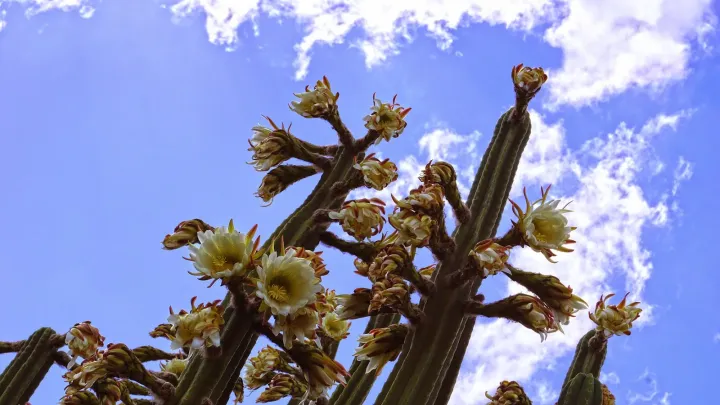
Description
Growing requirements
Cereus mortensenii is a distinct species of succulent belonging to the Cactaceae family. This cactus is native to the arid regions of Mexico, specifically adapted to the rocky and sun-drenched landscapes of the Oaxaca region.
The plant is characterized by its columnar growth habit, with prominent ribs and dense spines. In its natural environment, it can reach significant heights, acting as a structural component of the local xerophytic vegetation.
Cultivation of this species requires a high-light environment. Without sufficient sunlight, the cactus will experience etiolation, leading to thin, weakened growth that loses the characteristic columnar shape of the genus.
The substrate must be highly porous to ensure efficient drainage. A standard succulent mix incorporating lava rock, pumice, and coarse sand is recommended to prevent water retention that could lead to physiological stress or root rot.
Temperature management is vital: while the plant thrives in warm summer conditions, it requires a cooling period during the winter months. This dormancy period is essential for the physiological health of the plant and promotes future flowering.
Main diseases and pests
Root rot is the most common pathology affecting Cereus mortensenii, usually resulting from excessive irrigation or substrate compaction. Ensuring that the soil dries completely between waterings is the primary defense against this condition.
Spider mites are the most persistent pests for this cactus. They are particularly attracted to young, growing tissue and can rapidly damage the epidermis if not controlled by appropriate acaricide treatments or moisture management.
Mealybugs are another common threat, often hiding in the deep recesses of the ribs and between spines. Mechanical removal using a soft brush dipped in isopropyl alcohol is often the first line of defense against minor infestations.
Fungal infections can occur if the humidity levels in the cultivation space are too high and airflow is insufficient. Proper ventilation is essential to maintain a healthy environment that discourages the germination of fungal spores.
Preventive maintenance includes periodic inspection of the cactus base and the soil surface. Keeping the plant free of dust and debris also helps in early detection of potential pest colonies before they become a systemic problem for the specimen.