
Cereus hexagonus
Cereus hexagonus
Description
Growing requirements
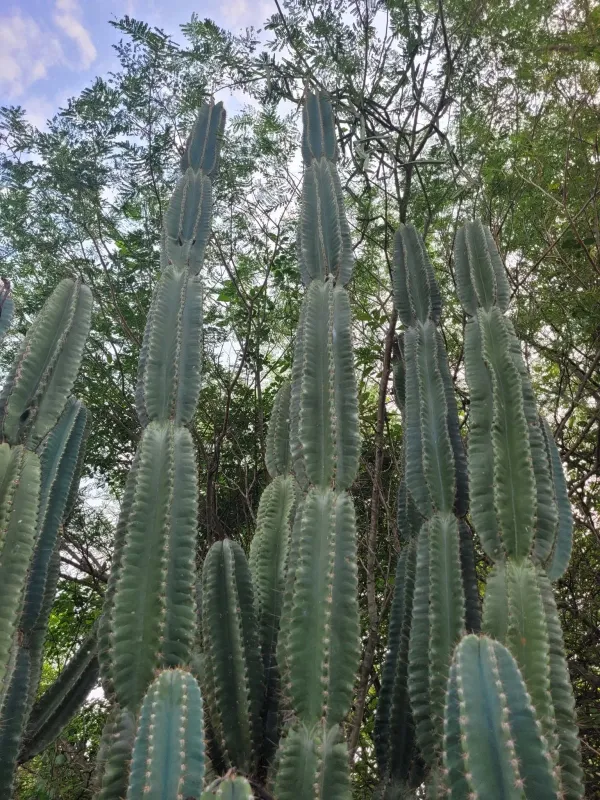
Cereus hexagonus, commonly known as the giant club cactus, is a large, columnar cactus species belonging to the Cactaceae family. Native to northern South America and the Caribbean, it is known for its impressive height and structural presence in arid landscapes.
The plant thrives in full sun exposure, requiring high light intensity to maintain its upright, robust growth habit. Insufficient light can lead to etiolation, where the stem becomes thin, weak, and susceptible to physical damage.
Soil requirements for Cereus hexagonus are strict: it demands a highly porous, gritty, and fast-draining substrate. Using a standard potting mix without added mineral components like pumice or coarse sand will almost certainly cause root rot due to moisture retention.
Temperature management is crucial as this species is not frost-tolerant. It requires warm, tropical conditions, ideally between 20°C and 30°C. During winter, it should be kept in a dry, cool location, but temperatures must remain above 10°C to ensure survival.
Agrotechnical maintenance involves a disciplined watering schedule: water deeply during the active growing season only after the soil has dried out completely. In winter, water should be withheld almost entirely to mimic the plant's natural dormant cycle.
Yield
Cereus hexagonus is valued for its edible fruit, which is harvested in its native regions. The fruit is typically large, fleshy, and possesses a sweet, pleasant flavor that makes it a popular local commodity.
Yield efficiency is significantly improved by providing optimal environmental conditions. Proper pollination, often facilitated by local fauna like bats or insects in its native habitat, is essential for a productive harvest of fruit.
The plant also holds aesthetic value, often utilized as a centerpiece in xeriscaping or botanical displays. Its imposing stature and architecturally defined ribs make it a favorite for landscaping in arid, frost-free climates.
Beyond fruit and aesthetics, parts of the woody interior of aged stems have occasionally been used in traditional crafts or as building material for small garden structures, highlighting the versatility of the species.
Regular fertilization with cactus-specific, low-nitrogen formulas during the spring and summer months can enhance the plant's vitality and, consequently, its ability to produce fruit annually.
Main diseases and pests
Fungal pathogens and root rot are the primary threats to Cereus hexagonus. These conditions are almost exclusively triggered by overwatering or using a soil medium that lacks proper aeration and drainage capabilities.
Mealybugs are the most persistent insect pests, often hiding in the deep grooves between the cactus ribs or in the woolly areoles. They weaken the plant by sucking sap and can facilitate the spread of secondary viral infections.
Spider mites represent another common threat, especially in hot, dry greenhouse environments. They cause unsightly discoloration and scarring on the skin of the cactus, which remains as a permanent blemish on the plant surface.
Root mealybugs, which live underground and feed on the roots, are particularly dangerous as they are invisible until the plant shows signs of severe decline or stress, such as yellowing or wilting.
Prevention relies on strict moisture control, the use of sterile growing media, and regular biological or chemical treatments to manage pest populations before they cause structural damage to the cactus tissue.