
Cereus comarapanus
Cereus comarapanus
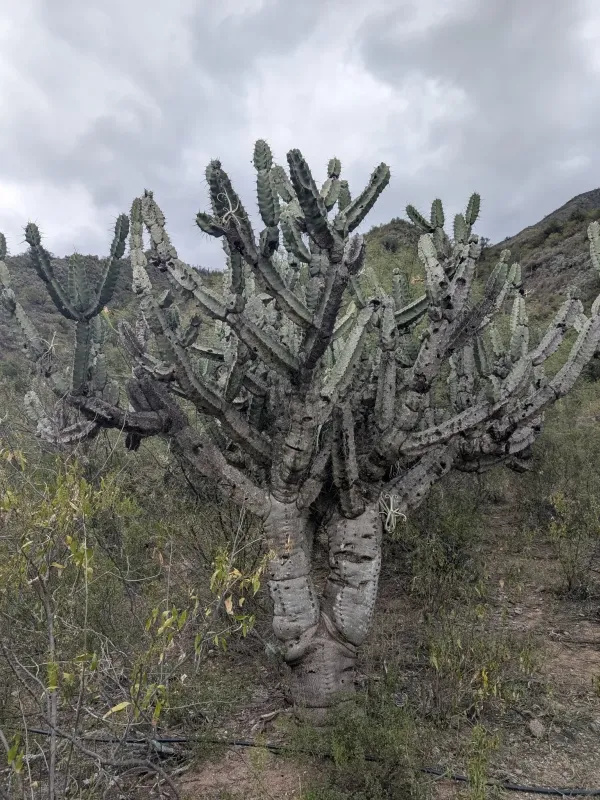
Description
Sowing dates
The propagation of Cereus comarapanus in professional nurseries is typically conducted through seed sowing or stem cuttings. Seeds require a specific preparation process to ensure uniform germination rates in a controlled environment.
The ideal period for sowing is during the early spring when day length increases, providing the seedlings with enough light for robust development. Maintaining a consistent environment is key during the first stages of growth.
Sowing should be done in a sterilized, highly porous substrate composed of sand and perlite. This structure prevents water retention around the delicate germinating seeds, which is crucial for preventing damp-off.
Temperature management during the initial germination phase should remain between 22 and 25 degrees Celsius. Gradual exposure to natural light helps the seedlings adapt to the environment effectively.
Transplanting young plants to permanent pots or field patches is recommended only after the plants have reached a sufficient level of maturity, usually after one or two years of intensive nursery care.
Growing requirements
Cereus comarapanus, a member of the Cactaceae family, is native to the arid regions of Bolivia. Its botanical structure is optimized for storing water, reflecting its evolutionary history in desert ecosystems.
The plant demands well-aerated, rocky, or sandy soil with a neutral to slightly acidic pH level. Proper drainage is the single most important factor for the long-term health and growth of this species.
This crop thrives under intense sunlight exposure, which is necessary to maintain its structural integrity and health. Inadequate lighting results in etiolation and weakens the plant's resistance to external factors.
Cultivation practices include moderate irrigation cycles that allow the soil to dry out completely between waterings. Over-watering is the primary cause of failure in agricultural settings involving this cactus.
Minimal fertilization using low-nitrogen formulas is recommended to support steady, natural development rather than rapid, unhealthy tissue expansion that makes the plant prone to damage.
Main diseases and pests
The most significant threats to Cereus comarapanus are fungal infections caused by excessive moisture or poor ventilation. Root rot is a common issue that can destroy a crop if not monitored closely.
Pests such as mealybugs and spider mites frequently affect the plant, particularly in low-humidity environments. They weaken the cactus by feeding on its sap and creating entry points for secondary infections.
Integrated pest management, including the use of systemic insecticides and regular manual inspections, is essential to keep the crop healthy. Early detection is vital for the success of any treatment.
Prevention relies on maintaining dry, well-ventilated conditions and avoiding the accumulation of dust or debris on the epidermis of the plant. A clean environment significantly reduces the risk of infestations.
When localized infections occur, removing the affected parts and disinfecting the remaining tissue is necessary to prevent the spread of pathogens to the rest of the cultivation area.