
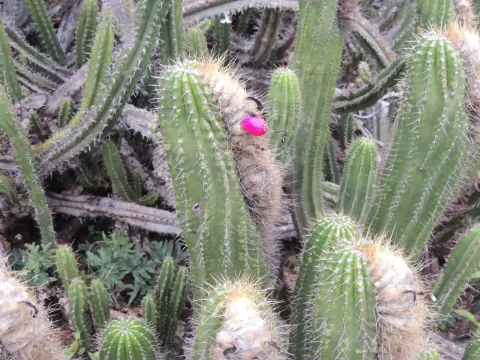
Coleocephalocereus
Coleocephalocereus
Coleocephalocereus is a genus of perennial succulent plants belonging to the Cactaceae family. In their natural habitat, they are columnar cacti that are cultivated as ornamental plants in various collections.
What the section contains


Coleocephalocereus
The native range of this genus is restricted to eastern Brazil. In the wild, they grow on rocky outcrops and stone cliffs, which accounts for their high tolerance to moisture deficit and poor soil conditions.
For successful cultivation, the plant requires bright but diffused light. Direct sunlight can cause severe stem burns, so shading is recommended during peak daylight hours, particularly in the summer season.
Temperature requirements include moderately warm conditions in summer (20 to 28 degrees Celsius) and cooler temperatures in winter, ideally between 12 and 15 degrees Celsius. Sudden temperature drops and drafts can negatively affect the cactus's health.
The soil mixture for Coleocephalocereus must be loose, well-draining, and slightly acidic. Specialized cactus substrates mixed with coarse sand or fine gravel are ideal to ensure proper aeration and water drainage.
The primary threats to this plant are linked to improper watering regimes, which frequently lead to root system decay. Excessive soil moisture triggers the development of fungal infections, such as fusarium wilt or root rot.
Among pests, mealybugs pose the greatest danger, as they infest stem tissues and leave a distinct white powdery residue. Spider mites may also become a problem if the indoor air humidity remains too low.
For pest control, regular inspections and the use of systemic insecticides are highly recommended. Against fungal pathogens, the application of copper-based fungicides is effective at the very first signs of infection.
An essential preventive measure is strict adherence to agricultural best practices, specifically avoiding stagnant water in the drainage tray. Regular cleaning of stems and providing adequate airflow will significantly boost the cactus's immunity.
In cases of severe pest infestation, the plant must be isolated from the rest of the collection. Affected tissues should be carefully removed, and cuts treated with an antiseptic to prevent the further spread of rot.