

Reference · Pests
Eriophyidae
Systematic position: Eriophyid mites belong to the family Eriophyidae within the order Trombidiformes. Unlike most other mites, these organisms possess only two pairs of legs, both located at the anterior end of their body. They are microscopic, worm-like, and highly specialized to feed on specific plant tissues.
234
items
What the section contains
 Gall mite
Eriophyes
47 products
Gall mite
Eriophyes
47 products
 Pear leaf blister mite
Epitrimerus pyri
17 products
Pear leaf blister mite
Epitrimerus pyri
17 products
 Raspberry leaf mite
Eriophyes malinus
14 products
Raspberry leaf mite
Eriophyes malinus
14 products
 Blackcurrant gall mite
Cecidophyopsis ribis
4 products
Blackcurrant gall mite
Cecidophyopsis ribis
4 products
 Apple rust mite
Aculus schlechtendali
2 products
Apple rust mite
Aculus schlechtendali
2 products
 Tomato rust mite
Calepitrimerus
1 product
Tomato rust mite
Calepitrimerus
1 product
 Abacarus
Acacia gall mite
Aculops unguiculatus
Abacarus
Abacarus
Acacia gall mite
Aculops unguiculatus
 Acalitus
Acaphylla
Acaphylla
Acaphyllisa
Acaphyllisa
Aceria macrodonis mite
Aceria macrodonis
Aceria megacera mite
Aceria megacera
Acalitus
Acalitus
Acaphylla
Acaphylla
Acaphyllisa
Acaphyllisa
Aceria macrodonis mite
Aceria macrodonis
Aceria megacera mite
Aceria megacera
 Aceria pallida
Aceria pallida
Aceria pallida
 Ailanthus gall mite
Aculops atypta
Alachua mite
Aculops alachuae
Ailanthus gall mite
Aculops atypta
Alachua mite
Aculops alachuae
 Alder gall mite
Acalitus brevitarsus
Alder gall mite
Acalitus brevitarsus
 Alder gall mite
Eriophyes laevis
Alfalfa gall midge
Aceria medicaginis
Alder gall mite
Eriophyes laevis
Alfalfa gall midge
Aceria medicaginis
 Almond gall mite
Acalitus phloeocoptes
Almond mite
Phyllocoptes amygdali
Almond gall mite
Acalitus phloeocoptes
Almond mite
Phyllocoptes amygdali
 Aloe mite
Eriophyes aloinis
Amaranth gall mite
Eriophyes zealus
Ambrosia gall mite
Aceria parthenii
Amrineus
Amrineus
Annona mite
Aceria annonae
Apple gall mite
Cecidophyes malifoliae
Aloe mite
Eriophyes aloinis
Amaranth gall mite
Eriophyes zealus
Ambrosia gall mite
Aceria parthenii
Amrineus
Amrineus
Annona mite
Aceria annonae
Apple gall mite
Cecidophyes malifoliae
 Apple leaf mite
Eriophyes mali
Apple leaf mite
Eriophyes mali
 Apple leaf mite
Eriophyes malimarginemtorquens
Apple leaf mite
Eriophyes malimarginemtorquens
 Apple rust mite
Vasates malivagrans
Apricot bud mite
Eriophyes armeniacus
Apple rust mite
Vasates malivagrans
Apricot bud mite
Eriophyes armeniacus
 Ash gall mite
Aceria fraxinivora
Ash gall mite
Aceria fraxinivora
 Aspen gall mite
Eriophyes dispar
Aspen gall mite
Eriophyes dispar
 Azalea rust mite
Phyllocoptes azaleae
Baccharis eriophyid mite
Shevtchenkella baccharis
Banana rust mite
Phyllocoptruta musae
Banyan gall mite
Eriophyes benghalensis
Azalea rust mite
Phyllocoptes azaleae
Baccharis eriophyid mite
Shevtchenkella baccharis
Banana rust mite
Phyllocoptruta musae
Banyan gall mite
Eriophyes benghalensis
 Beech gall mite
Aceria nervisequa
Beech gall mite
Aceria nervisequa
 Beech leaf gall mite
Aceria stenaspis
Beech leaf gall mite
Aceria stenaspis
 Bermuda grass mite
Aceria cynodoniensis
Bermuda grass mite
Aceria cynodoniensis
 Bermuda grass mite
Aceria neocynodonis
Birch gall mite
Aculops berochensis
Bermuda grass mite
Aceria neocynodonis
Birch gall mite
Aculops berochensis
 Birch gall mite
Eriophyes rudis
Birch gall mite
Eriophyes rudis
 Blackberry mite
Acalitus essigi
Blackberry mite
Cecidophyes reticulatus
Blackberry mite
Acalitus essigi
Blackberry mite
Cecidophyes reticulatus
 Blackcurrant gall mite
Cecidophyopsis malpighianus
Blackcurrant gall mite
Cecidophyopsis malpighianus
 Blackcurrant gall mite
Cecidophyopsis
Blackcurrant gall mite
Cecidophyopsis
 Blackcurrant gall mite
Vasates masseei
Blackcurrant gall mite
Cecidophyopsis selachodon
Blackcurrant leaf mite
Anthocoptes ribis
Blackcurrant gall mite
Vasates masseei
Blackcurrant gall mite
Cecidophyopsis selachodon
Blackcurrant leaf mite
Anthocoptes ribis
 Blueberry bud mite
Acalitus vaccinii
Blueberry bud mite
Acalitus vaccinii
 Boxwood mite
Eriophyes buxi
Boxwood mite
Eriophyes buxi
 Broom gall mite
Eriophyes genistae
Broom gall mite
Eriophyes genistae
 Broom gall mite
Eriophyes spartii
Calacarus mite
Calacarus
Calamagrostis mite
Aceria calamagrostis
Caraway mite
Aceria carvi
Broom gall mite
Eriophyes spartii
Calacarus mite
Calacarus
Calamagrostis mite
Aceria calamagrostis
Caraway mite
Aceria carvi
 Cardaria gall mite
Aceria drabae
Carnation bud mite
Aceria paradianthi
Carnation gall mite
Aceria dianthi
Cardaria gall mite
Aceria drabae
Carnation bud mite
Aceria paradianthi
Carnation gall mite
Aceria dianthi
Marketplace
Products in this section · 12

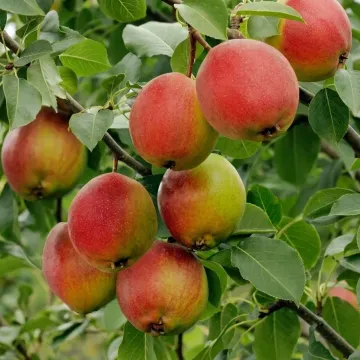


Eriophyidae
Host crops: These pests cause significant economic damage to a wide range of plants, including fruit trees (apples, pears, grapes), berry bushes (currants, blackberries), cereals, and various ornamental species. Some species are so host-specific that they exclusively infest a single plant genus.
Biology and life cycle: Eriophyid mites have a rapid reproductive cycle, often producing multiple generations within a single growing season. They typically overwinter as adult females in sheltered sites, such as bark crevices, bud scales, or protected debris. As temperatures rise in spring, they migrate to actively growing leaves and shoots to begin feeding.
Nature of damage and harm: The feeding activity of these mites triggers the plant to develop abnormal growth patterns. This includes the formation of galls (swollen tissue), leaf curling, rust-like spots, and stunted shoot growth. By damaging the epidermis and interfering with plant physiological processes, they significantly reduce photosynthesis, crop quality, and overall yield.
Control measures: Managing eriophyid mites is challenging because they are often protected inside galls or buds. A successful strategy requires:
- Regular monitoring of host plants for early symptoms of infestation.
- Removing and destroying infested plant parts or entire infected plants.
- Applying systemic or contact acaricides at the critical time of mite migration.
- Promoting a healthy ecosystem for predatory mites that keep populations in check.
- Utilizing certified disease-free and pest-free planting stock.