
Broom gall mite
Eriophyes spartii
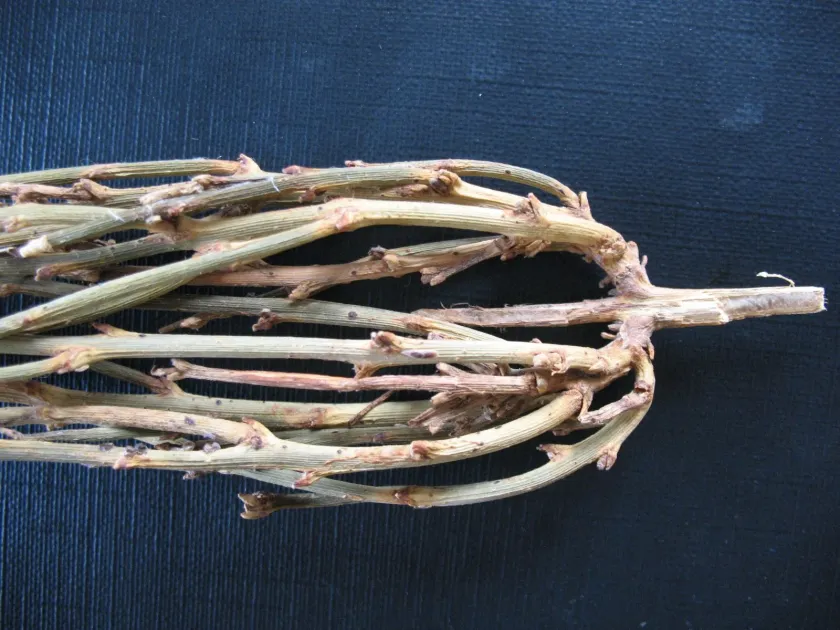
Description
How to identify
The broom gall mite (Eriophyes spartii) is a microscopic pest belonging to the family Eriophyidae (gall mites). These organisms have elongated, worm-like bodies and are invisible to the naked eye, making them difficult to detect until symptoms appear.
The entire life cycle of this mite occurs on the host plant, specifically within the buds and leaf tissues. Adult mites often overwinter inside the bud scales, protected from cold weather and environmental stressors.
Reproduction occurs during the growing season, with multiple generations developing annually. Under warm and humid conditions, the population can increase rapidly, spreading across the shrub and affecting new growth.
Transmission of the mite is typically passive, occurring via wind currents, crawling insects, or the movement of infested plant material. This makes it a significant risk for nurseries and landscape gardens.
The mite's biological activity is closely tied to the plant's growth phases, as they prefer to feed on the succulent, nutrient-rich tissues of developing buds.
What it damages
This pest primarily attacks various species of the broom shrub (Cytisus). It targets the buds and young shoots, causing significant physiological disruption to the plant's development.
The mite injects chemicals during feeding, which triggers the plant to develop pathological growths known as galls. These galls provide the mites with a specialized environment that offers both food and shelter from predators.
Affected buds become severely deformed and often fail to produce normal leaves or flowers. This results in stunted growth and a significant loss of the plant's aesthetic value in a garden setting.
In severe infestations, the cumulative damage can lead to premature leaf drop and overall plant decline. The weakened state of the shrub makes it highly susceptible to opportunistic fungal infections.
Continuous feeding prevents the plant from storing enough energy, leading to a gradual loss of vigor and, in untreated cases, the death of individual branches or the entire shrub.
Signs of infestation
The most prominent sign is the formation of abnormal, lumpy growths on the buds. These swellings, often referred to as galls, disrupt the normal shape of the twigs and leaf buds.
When the plant starts growing, the affected shoots often appear twisted, shortened, or exhibit a broom-like, dense cluster of small branches. Leaves originating from these areas are frequently chlorotic or deformed.
Closer inspection with a magnifying glass or microscope reveals the presence of numerous tiny, whitish mites living within the deformed tissue of the galls. The internal structure of the gall is typically spongy and irregular.
As the season progresses, these galls may turn brown or necrotic as the tissue dies. The shrub loses its natural shape, appearing messy and stressed due to the proliferation of these abnormal growths.
Reduced flowering is a key indicator of infestation, as the mites frequently destroy the developing floral buds before they have the chance to bloom.
Control measures
The most effective initial control measure is to prune and remove all visible galls and heavily infested shoots. These materials must be destroyed or disposed of away from the garden to prevent re-infestation.
Chemical control involves the use of specialized acaricides. Applications should be timed to coincide with the period when mites emerge from their winter refuges, typically during the early bud-burst stage.
Thorough coverage of the foliage and bud areas is essential for the efficacy of the treatment. It is recommended to rotate different types of acaricides to prevent the mite population from developing chemical resistance.
- Regular sanitary pruning and destruction of infested twigs.
- Use of systemic acaricides during peak activity periods.
- Improving plant health through proper fertilization and watering.
- Monitoring incoming plant stock for existing mite colonies.
Consistent observation throughout the spring and early summer is crucial for early detection. If an infestation is widespread, a schedule of repeated treatments may be necessary to fully suppress the mite population.
Taxonomy
- Latin name
- Eriophyes spartii
- Order
- Mites
- Family
- Eriophyidae
- EPPO code
- ERPHST
Discussion
No discussions yet — be the first.