
Abacarus
Abacarus
Description
How to identify
Abacarus is a genus of microscopic mites belonging to the Eriophyidae family. These pests are extremely small, making them nearly invisible to the naked eye without specialized optical equipment or magnification tools.
The morphology of these mites is distinct, characterized by a worm-like, elongated body that is typically yellowish or pale in color. They possess only two pairs of legs located at the front of the body, which helps distinguish them from other mite species.
Their biological life cycle is rapid, consisting of egg, nymph, and adult stages. Favorable conditions, such as warm and dry weather, allow populations to explode within a short period, leading to widespread infestation in crop fields.
Mites can easily be carried by wind currents, which facilitates their spread across large agricultural areas. They prefer hidden environments, such as leaf sheaths and the folds of young plant shoots, where they are protected.
Understanding their reproduction dynamics is essential, as they remain active during the entire growing season, constantly shifting between primary crops and wild grasses that serve as reservoirs.
What it damages
Abacarus mites are known primarily as pests of cereal crops, including wheat, barley, oats, and rye. A wide range of wild grasses also serves as alternative hosts, maintaining the mite population even when primary crops are absent.
The damage occurs due to the mite's feeding behavior, where they pierce plant cells to extract sap. This process not only removes essential nutrients but also injects toxic saliva, leading to metabolic disruption in the plant.
A significant threat associated with these mites is their role as vectors for viral diseases. They can transmit harmful viruses, such as oat mosaic virus, which often cause more economic damage than the mites' direct feeding activities.
Infested plants suffer from reduced photosynthetic capacity, stunted growth, and increased susceptibility to secondary stressors like drought or fungal pathogens. This cumulative damage can significantly decrease overall grain yield.
Economic impact is particularly high during years with prolonged dry spells, which are optimal for the mite's development. Proper field monitoring is required to mitigate these losses effectively.
Signs of infestation
The most common sign of infestation is the rolling or curling of leaves along the central vein. The leaves eventually form tight, straw-like structures, which restricts normal plant development and hampers the efficiency of photosynthesis.
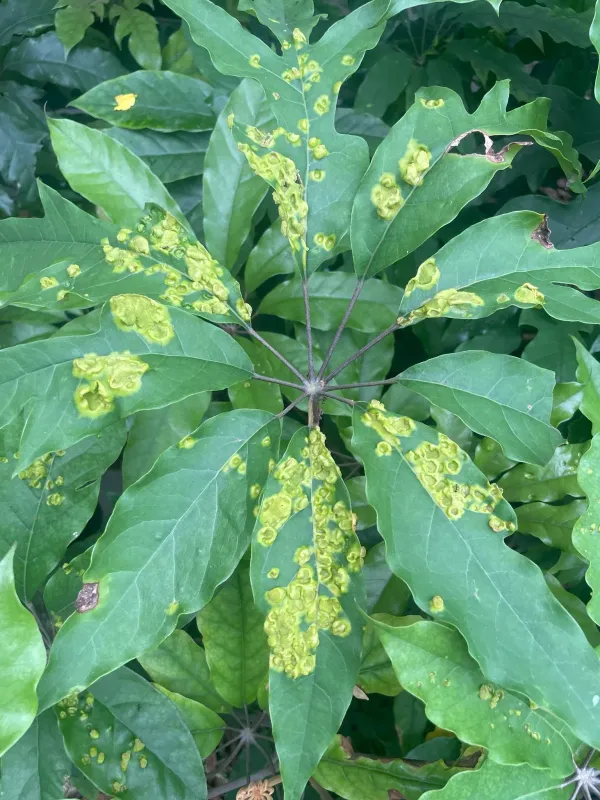
Chlorotic spots and streaks, often appearing as pale yellow lines, develop on the leaf surface as a result of tissue damage caused by the mites. These marks are clear indicators that colonies are actively feeding.
Infested plants usually exhibit stunted growth, appearing shorter or less vigorous compared to healthy specimens in the field. Deformed growth patterns are also common, reflecting the physiological stress inflicted by the mites.
When the mite transmits viral infections, the plants may show systemic mosaic symptoms, characterized by intricate light and dark green patterns on the leaves. Heads may fail to fill properly, resulting in shriveled kernels.
- Leaf curling and rolling into tubes.
- Chlorotic yellow streaks and spots on leaves.
- Stunted growth and poor plant vigor.
- Systemic mosaic patterns (if viruses are present).
- Deformed shoots and reduced head development.
Control measures
Integrated Pest Management (IPM) is the most effective approach for controlling Abacarus. Removing weeds and wild grasses near field edges is a crucial prophylactic measure to eliminate primary breeding sites.
Chemical control relies on the timely application of systemic acaricides. Since mites live in hidden crevices, chemicals with systemic properties are required to ensure they reach the pests effectively.
Crop rotation plays a vital role in breaking the mite's life cycle. By planting non-host crops in areas with previous infestations, growers can significantly decrease the pest pressure for the next season.
Selecting resistant crop varieties can provide long-term protection, reducing the reliance on chemical inputs and promoting a healthier agroecosystem. This should be combined with careful monitoring.
Regular field scouting during critical development phases allows for early detection of mite colonies, enabling localized treatment rather than broad-spectrum application, which preserves beneficial insect populations.
Taxonomy
- Latin name
- Abacarus
- Order
- Mites
- Family
- Eriophyidae
- EPPO code
- ABACSP
Discussion
No discussions yet — be the first.