
Azalea rust mite
Phyllocoptes azaleae
Description
How to identify
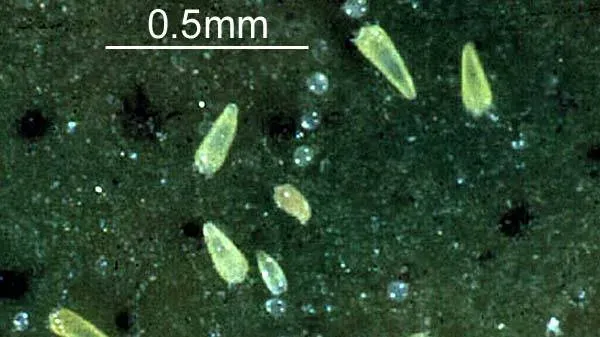
The azalea rust mite (Phyllocoptes azaleae) belongs to the family Eriophyidae. These are extremely small pests, usually less than 0.2 mm in length, making them invisible to the naked eye. They are classified as eriophyid mites, which are distinct from common spider mites.
The body of this mite is elongated and worm-like, often tapering towards the rear. Their color is typically pale yellow or translucent, allowing them to blend perfectly with the plant tissues they occupy during the growing season.
These mites have a specialized life cycle. Adult females typically overwinter in the bud scales of the host plant. As spring temperatures rise, they emerge to lay eggs on the newly developing foliage and buds.
Development from egg to adult is rapid, and the mite undergoes several generations in a single season. This quick reproduction rate can lead to massive infestations on a single plant if environmental conditions are favorable.
Due to their size, field diagnosis requires the use of a high-powered hand lens (at least 10x-20x) or a stereomicroscope. Inspection should focus on the undersides of young leaves and the inner scales of flower buds.
What it damages
The primary hosts for this mite are plants in the genus Rhododendron, specifically azaleas. The mite uses its piercing-sucking mouthparts to extract sap from plant cells, leading to physical and physiological damage.
As the mites feed, they introduce salivary enzymes that trigger localized tissue reactions. This results in significant deformation of the leaves and inhibition of normal bud development, severely reducing the plant's aesthetic value.
When flower buds are heavily infested, they may fail to open entirely or produce misshapen, necrotic flowers. This is a critical loss for ornamental growers who rely on the plant's blooming phase.
Infested foliage often loses its gloss, becomes discolored (often appearing brownish or bronzed), and may become brittle. If left untreated, severe infestations cause heavy leaf drop and overall decline of the shrub's vigor.
Beyond direct damage, the feeding sites create stress and wounds, which serve as entry points for various secondary fungal and bacterial pathogens, further complicating the plant's health recovery.
Signs of infestation
One of the earliest signs of an azalea rust mite infestation is the curling and distortion of young leaves. The leaves may appear stunted or puckered, failing to expand properly as they grow.
A bronzed, russeted, or silverish appearance on the underside of the leaves is a classic diagnostic symptom. This discoloration often spreads as the colony of mites expands across the leaf surface.
Flower buds that appear dry, hardened, or stunted are another clear indicator. These buds often fail to bloom or show signs of necrosis, suggesting that the mites have been feeding inside the bud scales.
General lack of plant vigor, such as reduced shoot growth and lackluster foliage, should prompt an immediate inspection of the terminal buds. Healthy plants should show uniform growth, while infested ones will look noticeably uneven.
- Distorted and curled young leaves.
- Bronzing or russeting of leaf undersides.
- Necrotic or stunted flower buds.
- Premature leaf drop during the growth season.
- Overall growth retardation of the plant.
Control measures
Effective management of Phyllocoptes azaleae requires a combination of chemical control and good horticultural practices. Systemic acaricides are preferred as they can reach the mites hidden deep within the bud scales.
Cultural control is essential. Pruning and destroying heavily infested branches can help lower the mite population immediately. Removing plant debris from the base of the shrubs is also recommended to reduce overwintering sites.
Managing the environment is equally important. High humidity and warmth can accelerate the mite's reproductive cycle, so ensuring good air circulation in greenhouses and maintaining proper irrigation levels can mitigate flare-ups.
Applications of chemical treatments should be performed in a series of sessions, spaced 7-10 days apart, to manage new generations as they hatch. It is vital to rotate different chemical classes to prevent the mites from developing resistance.
Always source nursery stock from clean, certified providers and quarantine any new plants to prevent introducing the pest into your collection. Consistent monitoring is the most reliable way to maintain a pest-free environment.
Taxonomy
- Latin name
- Phyllocoptes azaleae
- Order
- Mites
- Family
- Eriophyidae
- EPPO code
- PHYCAZ
Discussion
No discussions yet — be the first.