
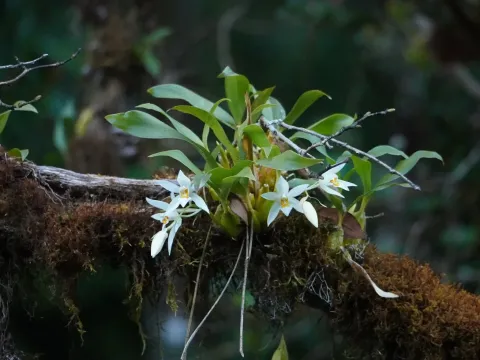
Coelogyne
Coelogyne
Coelogyne is a diverse genus of epiphytic and lithophytic plants belonging to the Orchidaceae family. Naturally distributed throughout tropical Southeast Asia, the Himalayas, and the Pacific islands, these orchids occupy ecological niches ranging from humid lowland forests to cool high-altitude mountain slopes.
What the section contains
 Coelogyne asperata
Coelogyne asperata
Coelogyne asperata
 Coelogyne breviscapa
Coelogyne breviscapa
Coelogyne breviscapa
 Coelogyne cobbiana
Coelogyne cobbiana
Coelogyne cobbiana
 Coelogyne corymbosa
Coelogyne corymbosa
Coelogyne corymbosa
 Coelogyne cristata
Coelogyne cristata
Coelogyne cristata
 Coelogyne cumingii
Coelogyne cumingii
Coelogyne cumingii
 Coelogyne flaccida
Coelogyne flaccida
Coelogyne flaccida
 Coelogyne fuliginosa
Coelogyne fuliginosa
Coelogyne fuliginosa
 Coelogyne lawrenceana
Coelogyne lawrenceana
Coelogyne lawrenceana
 Coelogyne magna
Coelogyne magna
Coelogyne magna
 Coelogyne mayeriana
Coelogyne mayeriana
Coelogyne mayeriana
 Coelogyne multiflora
Coelogyne ovalis
Coelogyne ovalis
Coelogyne multiflora
Coelogyne multiflora
Coelogyne ovalis
Coelogyne ovalis
 Coelogyne pandurata
Coelogyne pandurata
Coelogyne pandurata
 Coelogyne pulverula
Coelogyne pulverula
Coelogyne pulverula
 Coelogyne rochussenii
Coelogyne rochussenii
Coelogyne rochussenii
 Coelogyne speciosa
Coelogyne speciosa
Coelogyne speciosa
 Coelogyne stricta
Coelogyne stricta
Coelogyne stricta
 Coelogyne swaniana
Coelogyne swaniana
Coelogyne swaniana
Coelogyne
Botanically, these plants exhibit a sympodial growth pattern, developing pseudobulbs that store water and nutrients. The leaves are typically lanceolate and leathery, while the inflorescences arise from the base of the mature pseudobulbs, often featuring long-lasting, fragrant, and highly ornamental flowers.
Successful cultivation requires a well-draining substrate, such as a coarse bark mix mixed with perlite or charcoal. Proper aeration is crucial for the root system, as Coelogyne species are sensitive to root suffocation and stagnant moisture in the pot.
Environmental requirements vary by species, but most prefer high humidity (around 60–80%) and moderate light levels. Diurnal temperature fluctuations are essential to trigger the flowering process, mimicking the conditions of their native mountain habitats during the season of growth.
In terms of agricultural and commercial use, Coelogyne is highly valued in the nursery industry as a premium ornamental pot plant. Its unique architectural form and attractive blooms make it a staple in orchid collections and high-end greenhouse displays worldwide.
The primary threats to Coelogyne are fungal and bacterial infections triggered by excessive moisture and poor ventilation. Root rot, caused by various pathogens, is the most common issue for hobbyists and greenhouse managers alike, often leading to rapid plant decline.
Pests such as spider mites, scale insects, and mealybugs can pose a significant challenge. These insects thrive in dry, warm environments and can quickly infest foliage, extracting sap and weakening the plant structure, which makes it more susceptible to opportunistic diseases.
Management strategies involve rigorous sanitation practices, such as isolating new plants before introducing them to the main collection. Pruning tools must be sterilized between uses to prevent the transmission of viral pathogens from one plant to another.
Chemical control with systemic insecticides or acaricides is effective for severe infestations, though it should be applied with caution to avoid phytotoxicity on sensitive plant tissues. Proper diagnosis of the pest or disease is essential before applying any treatments.
Furthermore, maintaining the correct mineral balance in irrigation water is vital. Over-fertilization or excessive mineral content in the water can lead to root tip damage, which serves as an entry point for various microbial pathogens that can destroy the plant from the inside out.