
Coelogyne cristata
Coelogyne cristata
Description
Growing requirements
Coelogyne cristata is an evergreen epiphytic or lithophytic orchid belonging to the Orchidaceae family. Native to the Himalayan region, it grows at elevations ranging from 1,500 to 2,600 meters, requiring cool conditions and high humidity throughout its growth cycle.
Successful cultivation depends on simulating its natural mountain environment. Daytime temperatures should ideally range from 18°C to 22°C, while nighttime temperatures must drop to 10°C–12°C during the winter dormancy period to initiate healthy inflorescence development.
This species requires high humidity levels (60–80%) and regular air circulation. Watering must be generous during the active growth phase, but the substrate must be allowed to dry out slightly between waterings to prevent the roots from remaining constantly wet.
The optimal substrate for Coelogyne cristata is a well-draining mixture of pine bark, sphagnum moss, and charcoal. Because of its spreading growth habit, shallow baskets are preferred to provide adequate space for the pseudobulbs to develop.
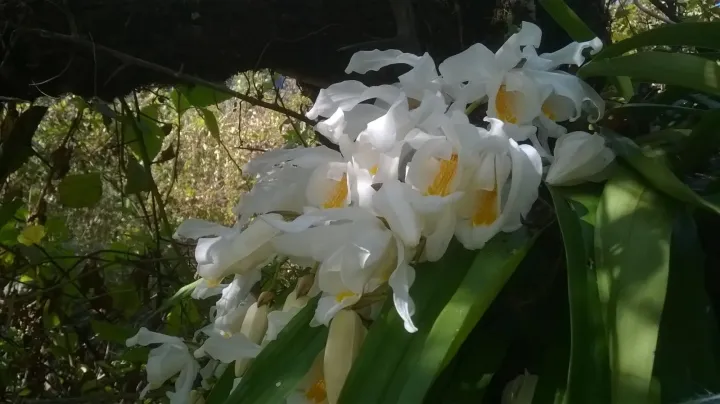
The primary horticultural application of this species is within the ornamental sector. It is highly valued for its large, crystalline white flowers with a fringed yellow lip, making it a staple for orchid enthusiasts and botanical collections.
Main diseases and pests
Fungal and bacterial infections represent the most significant threat to Coelogyne cristata, often arising from excessive moisture levels and poor aeration within the cultivation space.
Spider mites are the most common pest, thriving in dry and stagnant conditions. Infestations manifest as fine webbing and mottled yellow spots on the foliage, significantly reducing the plant's aesthetic value and physiological health.
Scale insects and mealybugs can also attack the plant, hiding under the papery sheaths of the pseudobulbs, making them difficult to detect and eradicate without thorough inspection.
Root rot, often caused by Fusarium or Phytophthora pathogens, can devastate the root system if the substrate becomes too compacted or acidic. Preventive maintenance through substrate replacement every two years is recommended.
Effective management includes maintaining optimal environmental conditions, consistent ventilation, and the application of appropriate systemic insecticides and fungicides when the first symptoms of damage appear.