
Coelogyne speciosa
Coelogyne speciosa
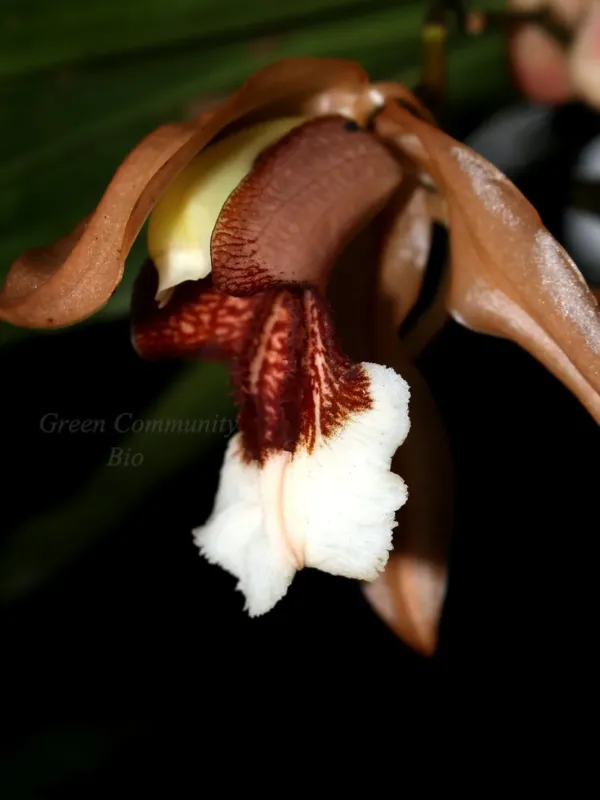
Description
Growing requirements
Coelogyne speciosa is a member of the Orchidaceae family, native to the tropical regions of Southeast Asia. This species is an epiphytic orchid known for its distinct, large, and pendulous flowers that typically bloom from the base of its pseudobulbs.
Botanically, the plant features sympodial growth with clustered, ovoid pseudobulbs that store water and nutrients. Its leaves are broad, leathery, and dark green, well-adapted to the dappled light of the tropical forest canopy where it naturally resides.
Successful cultivation requires high humidity levels, ideally maintained between 60% and 80%, alongside warm, stable temperatures. The species does not tolerate extreme temperature fluctuations and prefers a well-ventilated environment to prevent fungal outbreaks.
The substrate should be highly porous, typically composed of a mix of bark, perlite, charcoal, and sphagnum moss. Proper drainage is essential, as Coelogyne roots are highly sensitive to standing water and need frequent access to oxygen to remain healthy.
In terms of economic use, Coelogyne speciosa is highly prized by orchid enthusiasts and horticulturalists as a premium ornamental crop. It is often exhibited in botanical gardens and private collections for its unique aesthetic appeal and long-lasting floral displays.
Main diseases and pests
The primary threats to this orchid include root rot, which is almost always a result of overwatering or using degraded, compacted substrate. Once the root system is compromised, the plant struggles to recover and may succumb to secondary infections.
Common pests include spider mites, which thrive in dry conditions, as well as mealybugs and scale insects. These pests often congregate in leaf axils or on the undersides of leaves, requiring manual removal or systemic treatment to control.
Integrated pest management involves regular visual inspections and maintaining optimal environmental conditions to discourage pest colonization. If an infestation occurs, application of horticultural oils or approved systemic insecticides is recommended.
Disease management focuses on preventive measures such as ensuring consistent air movement and avoiding water accumulation in the crown or leaf joints. Using sterilized tools for pruning and division significantly reduces the risk of viral and bacterial transmission.
Regular fertilization with a balanced, urea-free orchid fertilizer during the growth season is critical for overall plant health. Avoiding excessive nitrogen levels prevents soft growth that is more susceptible to both insect pests and fungal pathogens.