
Common spotted orchid
Dactylorhiza fuchsii
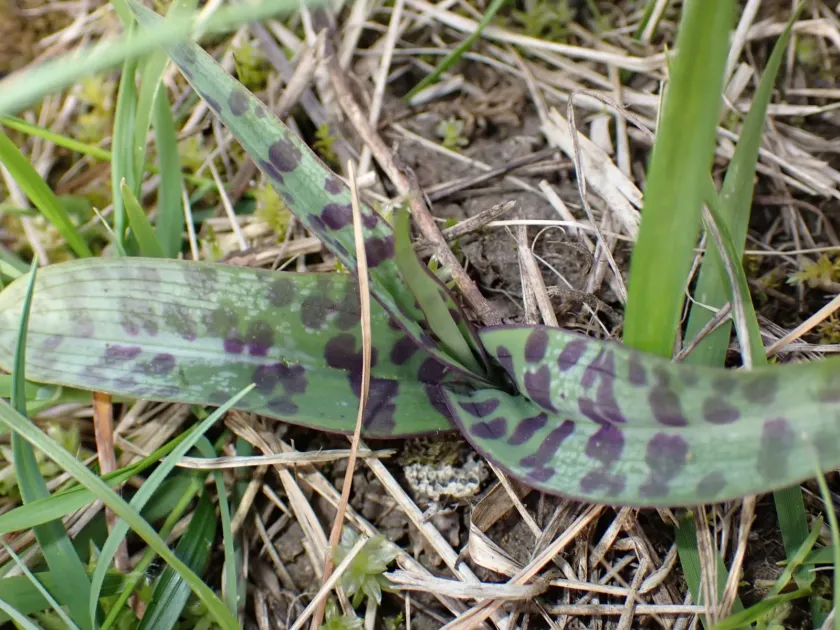
Description
Growing requirements
The Common spotted orchid is a perennial herb belonging to the Orchidaceae family. Native to woodlands and grasslands across Europe and parts of Asia, it is known for its distinct spotted leaves and spikes of vibrant flowers.
To thrive in a controlled environment, this plant requires moist, well-draining soil with a neutral to slightly acidic pH. It performs best in partial shade, mimicking its natural woodland habitat where direct sunlight is filtered by tree canopies.
The root system, characterized by palmate tubers, requires a specific fungal symbiosis to process nutrients efficiently. Successful cultivation often depends on maintaining a substrate that supports this mycorrhizal balance.
Botanically, the plant features a robust stem rising up to 60 centimeters, crowned by a dense inflorescence. The flowers exhibit a unique pattern, which gives the plant its common name and high ornamental value.
In terms of use, it is primarily cultivated as a high-value ornamental for naturalistic garden designs. Its historical significance involves the traditional use of its mucilage-rich tubers in folk preparations.
Main diseases and pests
The primary threats to this orchid include fungal rot and crown decay, which typically occur when soil drainage is poor. Standing water around the tubers can rapidly lead to irreversible damage to the plant's health.
Pest pressures are predominantly caused by slugs and snails, which feed on the succulent foliage and young flower stalks. Effective management requires constant vigilance and the implementation of physical barriers.
Soil compaction represents a significant environmental threat, as it inhibits the aeration necessary for healthy mycorrhizal activity. Without sufficient oxygen, the plant becomes highly susceptible to opportunistic pathogens.
Leaf spotting diseases can develop during periods of high humidity and low airflow. Proper spacing and site selection are essential for maintaining a healthy leaf canopy throughout the growing season.
Integrated pest management is crucial for the preservation of this species, especially given its status as a protected plant in many regions. Careful monitoring helps prevent the spread of infections within a nursery setting.