
Cochleanthes
Cochleanthes
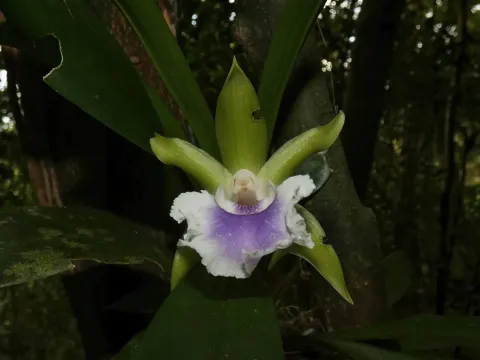
Cochleanthes is a genus of epiphytic orchids belonging to the Orchidaceae family. Native to the tropical regions of Central and South America, these plants typically grow in humid forest environments, attaching themselves to tree trunks and branches.
What the section contains

Cochleanthes
To cultivate these orchids successfully, one must maintain an indoor temperature between 18 and 24 degrees Celsius. The species does not appreciate significant temperature fluctuations, which can stress the plant and inhibit blooming.
High humidity levels are essential for the well-being of the plant, ideally maintained at 70% or higher. Using a misting system or a pebble tray with water is recommended to create the necessary microclimate in drier indoor environments.
Lighting should be bright but indirect; direct sunlight exposure can severely damage the foliage, causing brown scorch marks. East-facing windows are often preferred, provided that harsh afternoon sun is blocked.
The planting substrate must be coarse and well-draining, consisting of pine bark, charcoal, and sphagnum moss. This composition allows for sufficient airflow to the root zone, mimicking the natural conditions of an epiphyte's habitat.
Spider mites are common pests that thrive in low-humidity environments. They can cause significant damage to the leaf tissue by draining the plant's sap, leading to stunted growth and leaf discoloration.
Root rot is the most frequent disease, usually caused by overwatering or poor drainage in the container. Once the roots begin to decay, the entire plant loses its ability to uptake nutrients and water effectively.
Mealybugs can manifest as white cottony masses on the undersides of leaves or near the base of the plant. Immediate treatment with insecticidal soap or neem oil is necessary to prevent a widespread infestation.
Fungal infections, such as leaf spotting, may occur if water is allowed to pool in the leaf axils for extended periods. Ensuring good air circulation around the plant is the best preventative measure against these issues.
Regular sanitation of the growing area and the use of sterile tools for any maintenance are vital to keeping Cochleanthes free from pathogens. Infected plant material should be discarded promptly to protect the collection.