
Coelogyne magna
Coelogyne magna
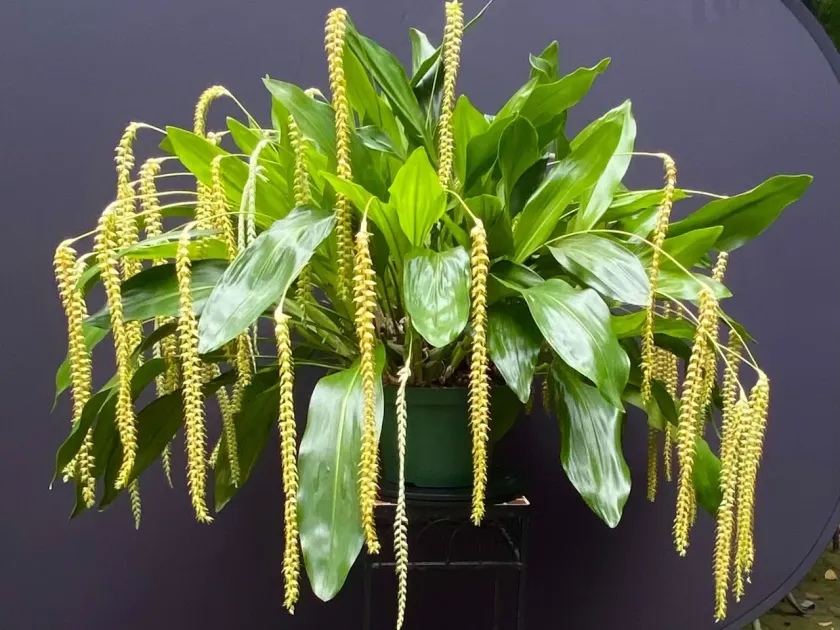
Description
Growing requirements
Coelogyne magna is a significant species within the Orchidaceae family, valued for its large, impressive inflorescences. Naturally occurring in high-altitude tropical forests of Southeast Asia, this orchid thrives as an epiphyte, requiring specific environmental parameters for successful growth in cultivation.
Success with this crop depends heavily on maintaining high humidity levels between 60% and 80%. Proper air circulation is mandatory to prevent the accumulation of moisture on the pseudobulbs, which is essential for minimizing the risk of bacterial and fungal outbreaks in a greenhouse environment.
The substrate must prioritize drainage and aeration to mimic the natural tree bark environment. Growers should utilize a high-quality mix consisting of conifer bark of medium grade, charcoal, and sphagnum moss, ensuring the root system receives oxygen while maintaining necessary moisture levels.
Optimal lighting involves bright, indirect sunlight, as direct exposure can easily scorch the leaves. During the growing season, consistent watering with low-mineral water is required, while allowing the substrate to partially dry out between cycles to mimic the natural rhythm of the monsoon climate.
The commercial use of Coelogyne magna is primarily directed toward high-end ornamental horticulture and botanical conservation. Due to the beauty of its floral display, it is frequently used by breeders to develop robust orchid hybrids that feature both large blossoms and aromatic properties.
Main diseases and pests
The primary pest threats include spider mites and scale insects, which often colonize the foliage when environmental humidity drops. Maintaining consistent moisture and performing regular visual inspections are the most effective management strategies to prevent widespread infestation.
Root and bulb rot are the most common physiological threats, usually stemming from poor drainage or excessive watering. If symptoms appear, immediate repotting into fresh substrate and careful pruning of the infected tissues are necessary to save the plant from further decline.