
Coelogyne stricta
Coelogyne stricta
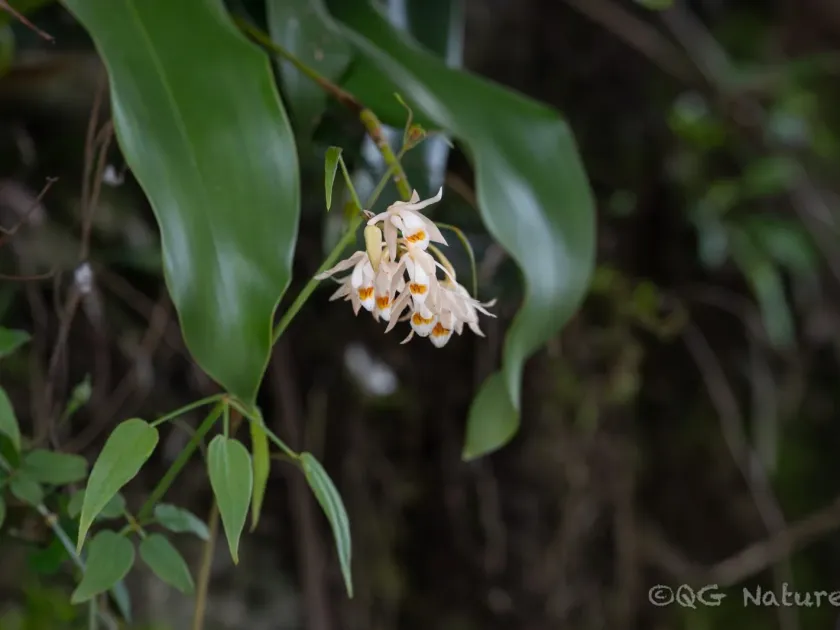
Description
Growing requirements
Coelogyne stricta is a perennial epiphytic plant from the Orchidaceae family, known for its high ornamental value. In its natural habitat, the species thrives in the mountain forests of the Himalayas, Southeast Asia, and India, preferring cool to moderately warm conditions with high air humidity.
The plant exhibits a sympodial growth habit. It develops dense, ovoid pseudobulbs, from which leathery, deep green leaves emerge. Flower spikes grow from the base of new shoots, reaching significant lengths and carrying racemes of small, fragrant flowers with cream or white petals.
For successful cultivation, a substrate with high air and moisture permeability is essential. An optimal mix includes medium-grade conifer bark, sphagnum moss, charcoal, and perlite. Providing high-quality drainage is critical to prevent moisture stagnation at the roots, which is fatal for this epiphyte.
Lighting should be diffused, as direct sunlight causes leaf burns. The plant prefers moderate temperatures: around 20–24°C during the day, with a night drop to 15–16°C to stimulate flower bud initiation. Regular ventilation of the space is essential for maintaining a healthy root system.
During the active growth phase, watering should be abundant but regular. The substrate must be allowed to dry out slightly between waterings. In winter, watering frequency is reduced to induce a dormant period in cooler conditions, which is key to ensuring successful blooming in the spring.
Main diseases and pests
The main pests that affect Coelogyne stricta in indoor conditions include spider mites and scale insects. These pests damage the succulent tissues of pseudobulbs and leaves by extracting cell sap, which leads to leaf deformation and the overall weakening of the plant.
Mealybugs often hide in leaf axils and at the base of pseudobulbs. If pest colonies are detected, treatment with specialized systemic insecticides is necessary, strictly following the manufacturer's dosage instructions to ensure plant safety.
Fungal infections primarily arise from violations of humidity regimes and stagnant cold air. The most common problems are root rot and leaf spotting. Prevention involves maintaining tool cleanliness and providing adequate air circulation around the plants.
Bacterial rots can develop rapidly when excessive watering is combined with low temperatures. If soft, dark spots appear on the pseudobulbs, affected areas must be removed with a sterile scalpel and treated with copper-based fungicides to prevent the spread of decay.
Regular monitoring of the plant allows for the detection of pathologies at early stages. It is important to maintain an optimal moisture balance and avoid getting water drops in the center of new shoots, as this prevents the development of rot pockets.